
If you grew up in Malaysia, the “used car lot” experience was a rite of passage. It was almost always the same story. You walked in hoping for a deal, braced yourself for a lecture, and left wondering if the engine would actually make it past the next toll booth. There was a profound, almost systematic lack of trust. It was an industry built on handshakes and crossed fingers, where information was hoarded rather than shared.
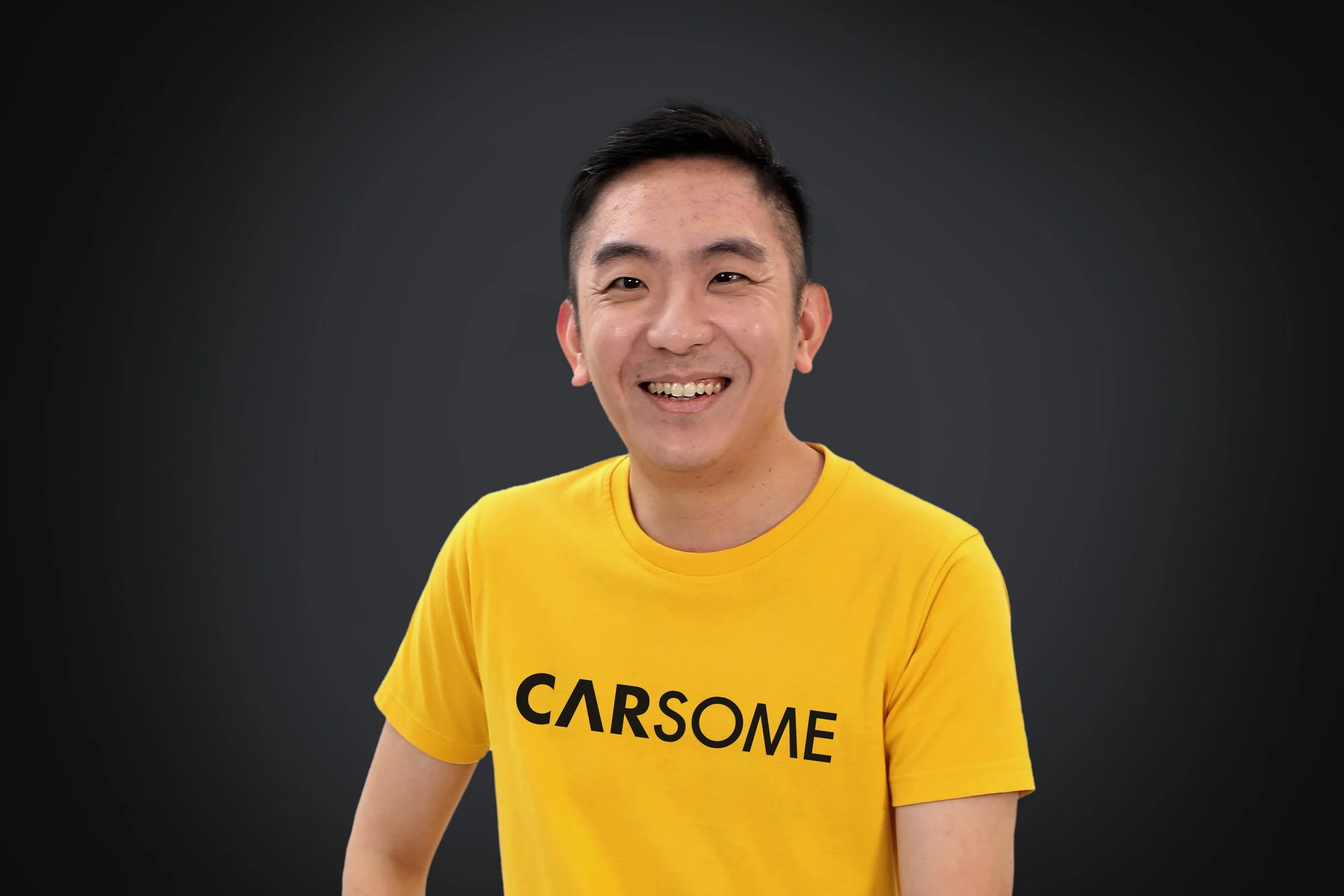
Then came Eric Cheng.
When he co-founded Carsome in 2015, the tech world was obsessed with shiny new apps and flashy startups. Cheng, however, looked at the messy, fragmented world of pre-owned vehicles and saw a different kind of opportunity. He wasn’t interested in just building another listing site. He wanted to solve a fundamental human problem. He wanted to replace uncertainty with data.
Turning the Tide of Trust
What defines Eric Cheng as a leader is his refusal to accept that “this is just how things are done.” The used car industry was notoriously opaque. Sellers were often low-balled, and buyers were terrified of getting a lemon. By introducing a transparent, inspection-based model, Cheng essentially became a curator of trust.
He didn’t just build a marketplace. He built a safety net.
Under his leadership, Carsome transformed from a simple online platform into a full-stack integrated ecosystem. He treated data like a compass, guiding customers out of the fog of uncertainty. When you see a Carsome Certified car today, you are seeing the result of a leader who prioritized quality control and standardized processes over a quick-win growth strategy. He understood that in a market like Southeast Asia, if you want to scale, you have to earn the right to exist by being undeniably reliable.
The Unicorn Milestone and Malaysian Ambition
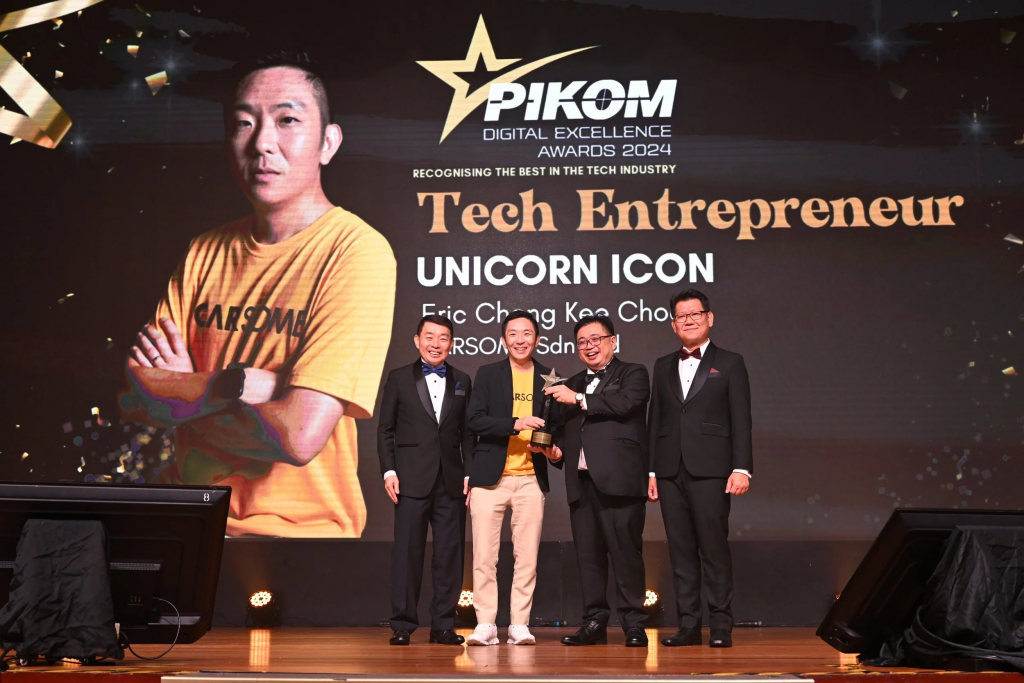
It is difficult to overstate the importance of Carsome’s rise to unicorn status for the Malaysian tech ecosystem. We have long been a nation that consumes technology, but under Cheng’s guidance, we started producing it on a global scale.
Cheng proved that a homegrown company could solve a massive, regional pain point and attract the kind of international capital that was previously reserved for the giants of Silicon Valley. He raised the bar for what a Malaysian startup could be. He showed a generation of young entrepreneurs that you don’t need to go to London or New York to solve big problems. You can do it right here, from Petaling Jaya, if you have the vision to see the gaps in your own backyard.
Leadership Beyond the Boardroom
What stands out about Cheng is his quiet intensity. He isn’t the kind of CEO who lives for the spotlight. He speaks with the measured tone of someone who is constantly calculating the next three moves ahead of the market. His leadership style reflects a blend of a high-performance athlete—focused and competitive—and a cautious engineer who builds systems that are meant to last.
He is also a man who recognizes that the future of his company is tied to the digital dexterity of Malaysia. He has been vocal about the need for talent, pushing for better standards in how we train our workforce for the digital economy. He knows that his company is only as good as the people who maintain the platform, the inspectors who certify the cars, and the developers who keep the tech humming.
The Road Ahead
Carsome is no longer just a startup. It is a regional powerhouse. As Cheng steers the group toward its next chapter, the challenge is shifting from “proving the concept” to “maintaining the standard.” Scaling is easy. Scaling without breaking the trust you built is the ultimate test of any CEO.
If history is any indicator, Eric Cheng isn’t worried about the speed of the race. He is worried about the integrity of the engine. He started by changing how we buy cars, but his real contribution might be much larger. He has changed how we think about building businesses in Malaysia, proving that with enough grit and a data-driven approach, even the most rusted, broken industries can be polished into something new.
This month, we honor a leader who didn’t just adapt to the market. He took the steering wheel and decided to drive it in a completely different direction.

