For three decades, Perodua has been the silent engine of the Malaysian road. By mastering the art of the compact car and perfecting the balance between reliability and accessibility, the Rawang-based manufacturer cemented itself as the heartbeat of the Malaysian middle class. Yet, in the silent, rapid-fire transition to electric mobility, the old playbook no longer applies. The introduction of the QV-E and the recent unveiling of the C2 concept at KLIMS 2026 offer a masterclass in how a legacy giant pivots without losing its soul.
Strategic Management -The Art of the Measured Step
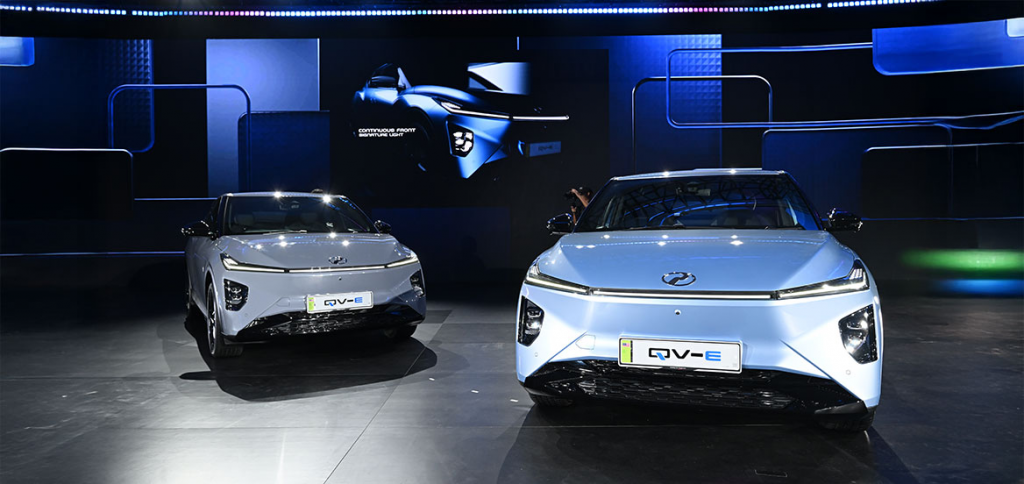
Many global automakers rushed into the EV space with heavy, expensive platforms, hoping for a market that wasn’t quite ready. Perodua took a different path. Their management strategy was defined by a cautious, data-first approach. By launching the QV-E, Perodua didn’t just sell a car; they ran a massive, real-world experiment to understand how Malaysians charge, drive, and live with electric vehicles.
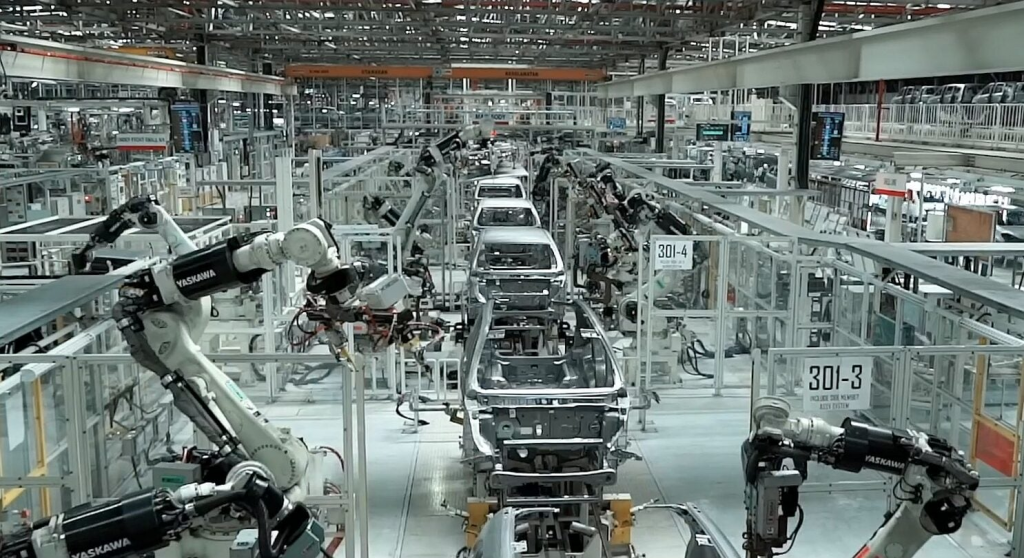
This isn’t just about manufacturing; it is about infrastructure and ecosystem building. By focusing on an in-house developed platform—created in partnership with Magna Steyr—Perodua secured its own intellectual property, ensuring that they weren’t just assembling foreign technology but creating a modular foundation for future models. This reflects a long-term strategic vision where they control the “brain” of the car, allowing for 20% commonality in tooling across different segments to keep costs grounded.
Decision Making – Solving for the Condominium Gap
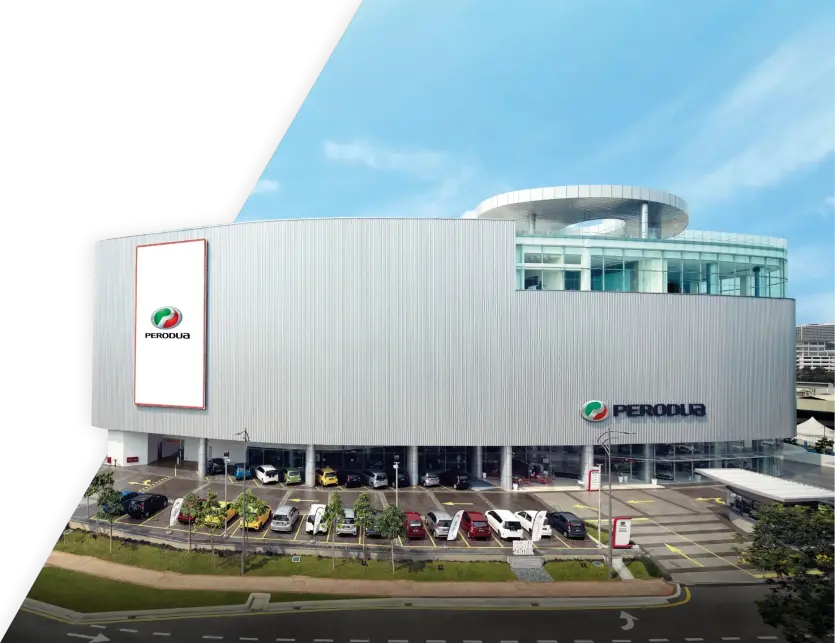
Perhaps the most critical strategic decision was the realization that an affordable EV is useless if the owner cannot charge it. Rather than forcing a mass-market price tag on a product that would cause “charging anxiety” for flat and condominium dwellers, Perodua pivoted to the Battery-as-a-Service (BaaS) model.
This decision showcases a deep understanding of the Malaysian demographic. By decoupling the battery cost from the car price, Perodua kept the vehicle entry point competitive while gathering the very data they need to eventually implement battery-swapping technology. It is a classic “de-risking” move: they are testing the appetite for subscription models while simultaneously scouting for partners to build the heavy-duty swapping infrastructure they lack.
Pricing and Packaging -The Power of Flexibility
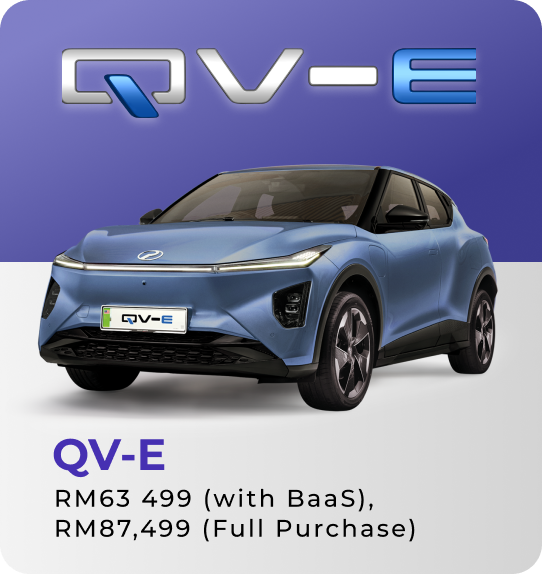
Perodua has always thrived on the “value-for-money” equation. With the QV-E, they are refining this for the EV era. By offering a tiered pricing structure—a lower entry price via BaaS or an outright purchase option—they cater to both the budget-conscious and the traditional buyer.
Their latest prototype, the C2 concept, extends this logic into the digital realm. By integrating the “P-Circle” super app, Perodua is packaging the car with an entire digital ecosystem—e-wallets, genuine parts delivery, and AI-driven navigation—effectively transforming the “product” from a piece of hardware into a comprehensive mobility service. This is not just car manufacturing anymore; it is life-management integration.
Competitive Ability -The Native Edge
Perodua’s greatest competitive edge remains its deep-seated trust with the Malaysian consumer. While global rivals focus on tech-first, feature-heavy marketing, Perodua leans into the “made by Malaysians for Malaysians” narrative. They are betting that the familiarity of their nationwide service network and their reputation for reliability will win out over the flashier, but perhaps less accessible, foreign brands.
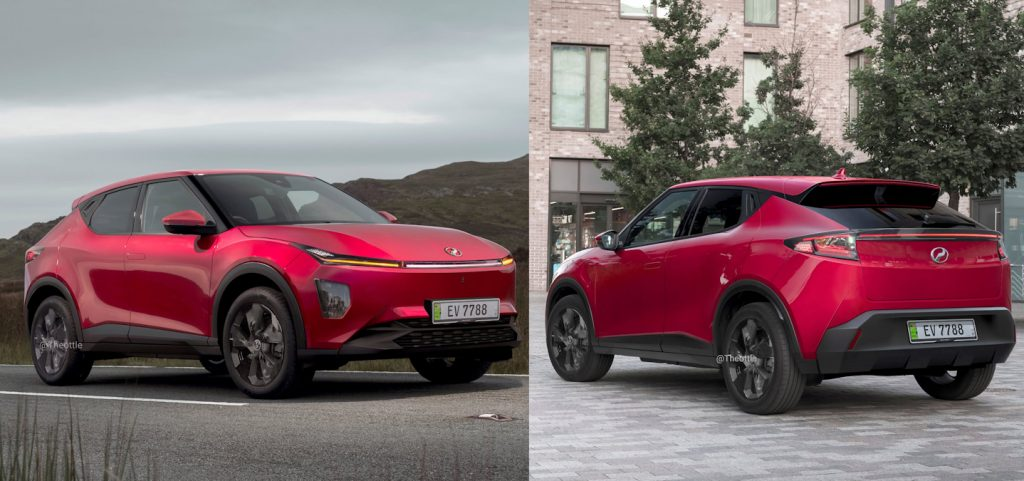
The C2 concept—inspired by the Alpha and Beta generations—shows a clear intent to capture a younger, tech-savvy audience that expects AI-assisted parking, real-time traffic updates, and enhanced security as standard. By designing for the unique needs of a local demographic—rather than just porting over global models—Perodua is insulating itself from the bruising price wars currently seen in the broader EV market.
The Road Ahead
The jump to EV is the most perilous transition in Perodua’s history, but they are approaching it with the same surgical precision that made them a national leader. They are not trying to be the most “futuristic” brand on the road; they are trying to be the most sensible one. By iterating through “chapters,” from the QV-E’s infrastructure testing to the C2’s focus on digital integration, Perodua is ensuring that when they finally go all-in on mass-market EVs, they will have already solved the problems that others are still ignoring.
In the game of national mobility, the quietest player often holds the strongest hand. Perodua’s strategy is clear: keep the customer close, the tech modular, and the solution simple. It is a formula that has kept them on top for thirty years, and it just might be the one that keeps them there for the next thirty.