
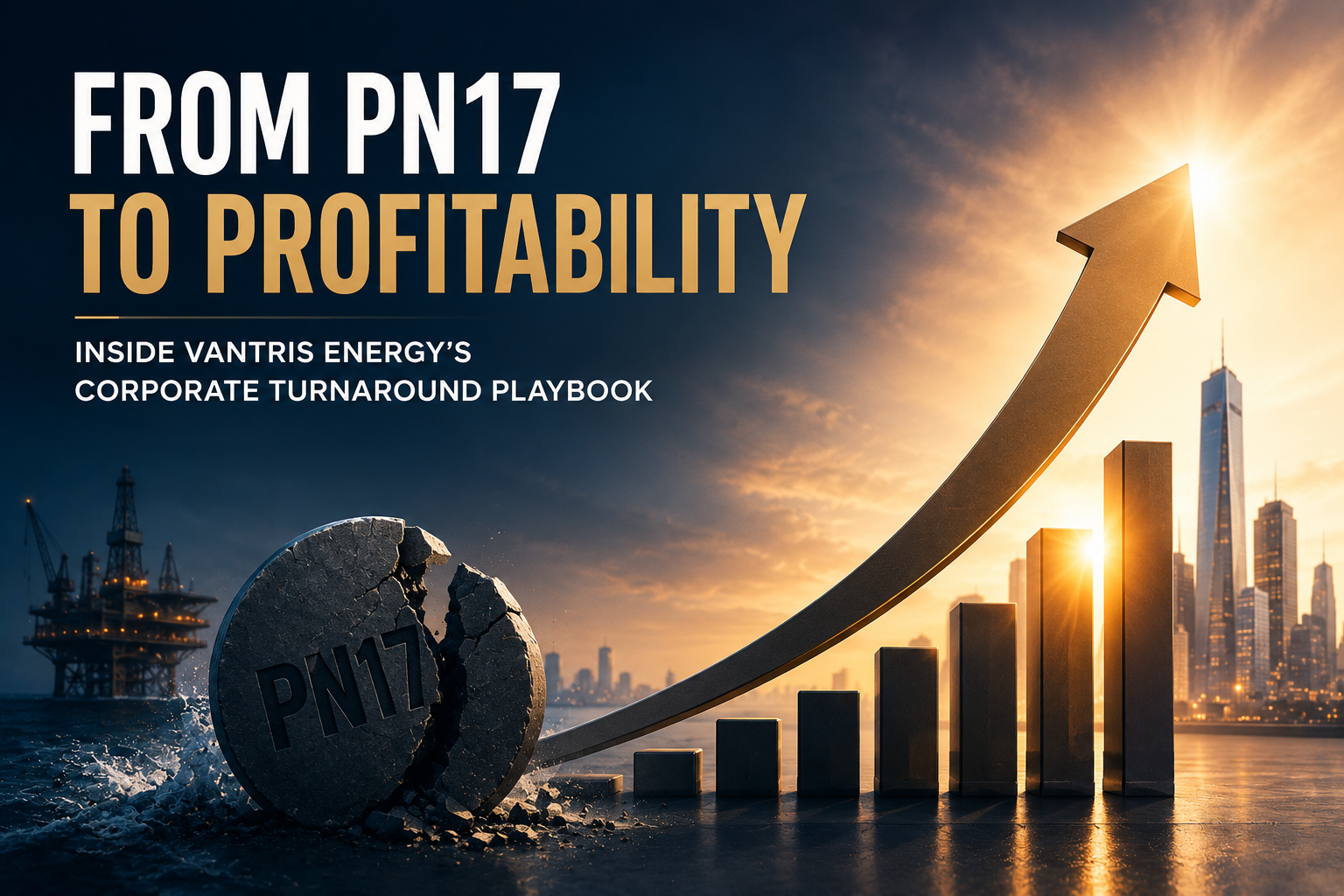
For years, Sapura Energy Berhad symbolized one of corporate Malaysia’s most challenging turnaround stories. Once regarded as Southeast Asia’s largest integrated oil and gas services provider, the company became burdened by legacy project losses, mounting debt obligations, and one of the industry’s most severe downturns. In May 2022, the company was classified under Bursa Malaysia’s Practice Note 17 (PN17), placing it among financially distressed listed companies.
For many observers, the outlook appeared bleak. Negative shareholders’ equity, billions of ringgit in debt, and declining investor confidence suggested the company faced an uphill battle to remain viable.
Four years later, the narrative has changed dramatically.
Now operating as Vantris Energy Berhad, the company officially exited PN17 status on 18 June 2026, marking one of the most significant corporate restructuring achievements seen in Malaysia in recent years. The milestone was supported by a remarkable financial recovery, with the group reporting a net profit of RM145.79 million for the quarter ended 30 April 2026, compared with a net loss of RM477.96 million during the corresponding period a year earlier.
While the financial figures are impressive, the real story extends beyond quarterly earnings. Vantris Energy’s recovery provides valuable insights into how disciplined leadership, decisive financial restructuring, and strategic operational changes can restore an organisation facing structural distress.
Rather than viewing this solely as a successful recovery, business leaders should consider it a practical case study in corporate transformation.
1. Repairing the Balance Sheet Before Pursuing Growth
One of the most common mistakes during financial distress is attempting to grow revenue without first addressing structural financial weaknesses.
Vantris Energy adopted the opposite approach.
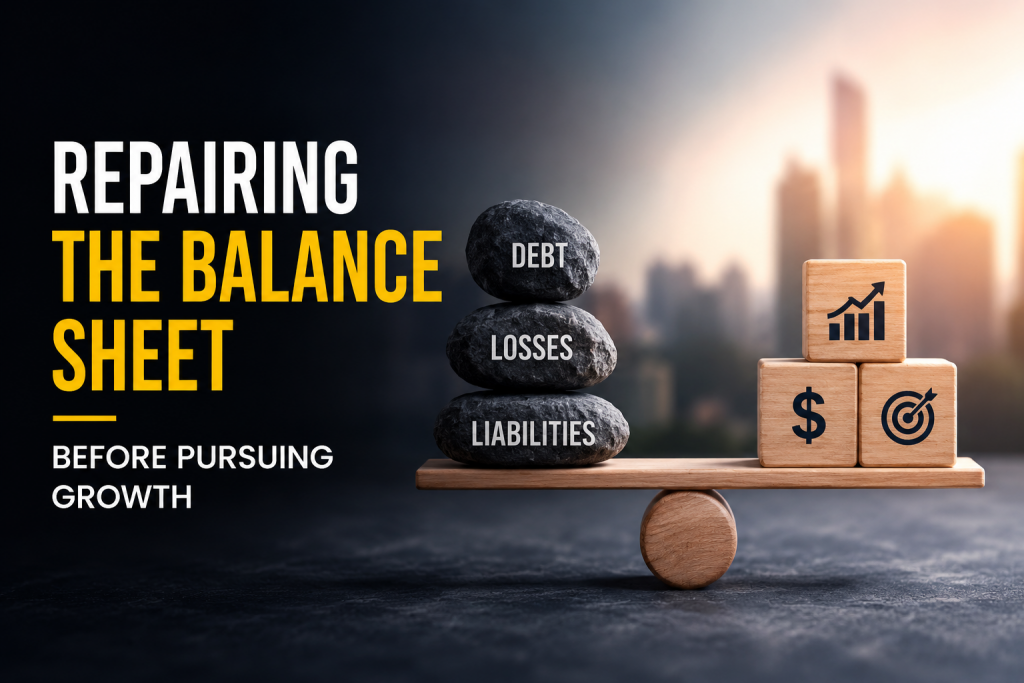
Management focused on rebuilding the company’s financial foundation before pursuing expansion opportunities. The restructuring centred on three major initiatives.
Capital Reconstruction
The company undertook a capital reduction of approximately RM11.85 billion, eliminating accumulated losses that had eroded shareholders’ equity over several years. This significantly improved the balance sheet and restored positive equity.
Debt Reduction
Short-term borrowings were substantially reduced through a comprehensive restructuring programme. Total borrowings were reorganised from approximately RM10.76 billion to RM5.48 billion, easing immediate repayment pressure and improving financial flexibility.
Creditor Negotiations
Following the achievement of its Restructuring Effective Date (RED), the company recognised a one-off accounting gain exceeding RM4 billion, primarily arising from debt settlements and creditor waivers negotiated during the restructuring process.
Executive Takeaway
Growth cannot compensate for a fundamentally broken capital structure.
Boards facing financial distress should prioritise repairing their balance sheet, engaging lenders early, and restructuring debt before liquidity becomes critical. Sustainable growth is only possible once the company’s financial foundations have been stabilised.
2. Reducing the Cost of Capital to Restore Cash Flow
Financial restructuring is not simply about reducing debt. It is equally important to reduce the ongoing cost of carrying that debt.
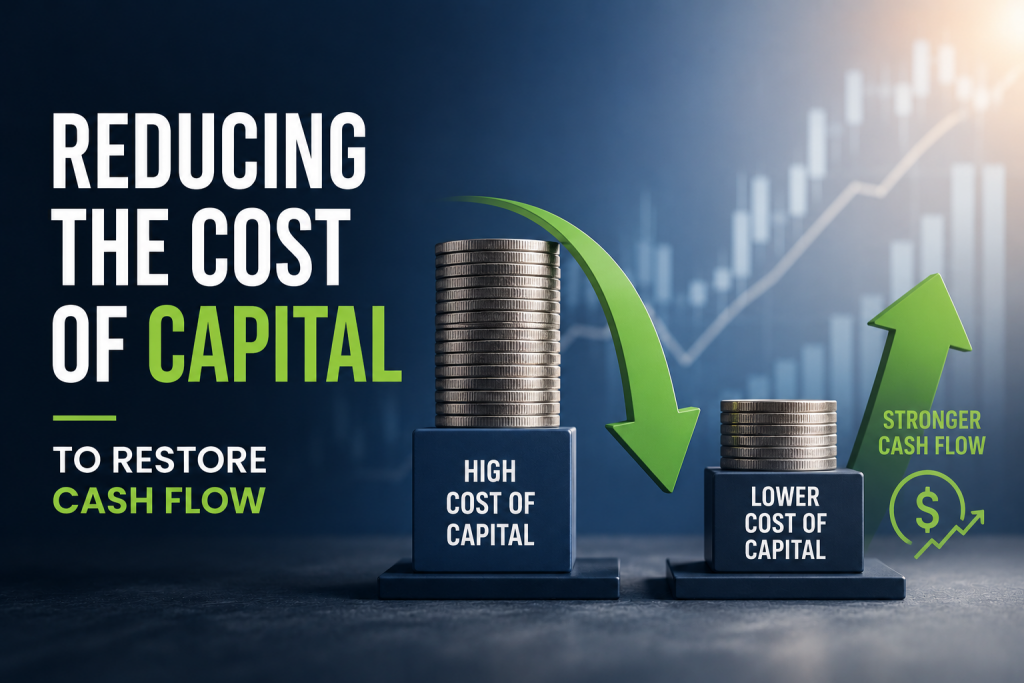
Before its restructuring, Vantris Energy reportedly incurred annual financing costs exceeding RM800 million, placing enormous pressure on operating cash flow and limiting its ability to invest in future projects.
The company addressed this challenge by redesigning its capital structure rather than relying solely on debt repayment.
Among the key initiatives were:
- Issuing RM1.1 billion Redeemable Convertible Loan Stocks (RCLS) to Malaysia Development Holding Sdn. Bhd. (MDH).
- Settling portions of unsecured obligations through Redeemable Convertible Unsecured Islamic Debt Securities (RCUIDS) and settlement shares.
These measures extended debt maturities, reduced immediate cash obligations, and converted part of the financial burden into longer-term equity-linked instruments.
The result was a significant reduction in annual financing costs to approximately RM250 million, freeing additional cash flow to support operations and new business opportunities.
Executive Takeaway
Cash flow is often a stronger indicator of corporate resilience than reported profits.
During periods of restructuring, management should focus not only on reducing total debt but also on lowering annual financing costs. A healthier capital structure creates the flexibility needed for operational recovery and future investment.
3. Shifting from Revenue Growth to Profitable Growth
Before entering financial distress, Sapura Energy aggressively pursued large Engineering, Procurement, Construction, Installation, and Commissioning (EPCIC) projects across multiple international markets.
While this strategy expanded its order book, it also increased operational complexity and exposed the company to significant execution risks. Delays, cost overruns, and contractual disputes could quickly erode profitability.
Following the restructuring, management adopted a markedly different approach.
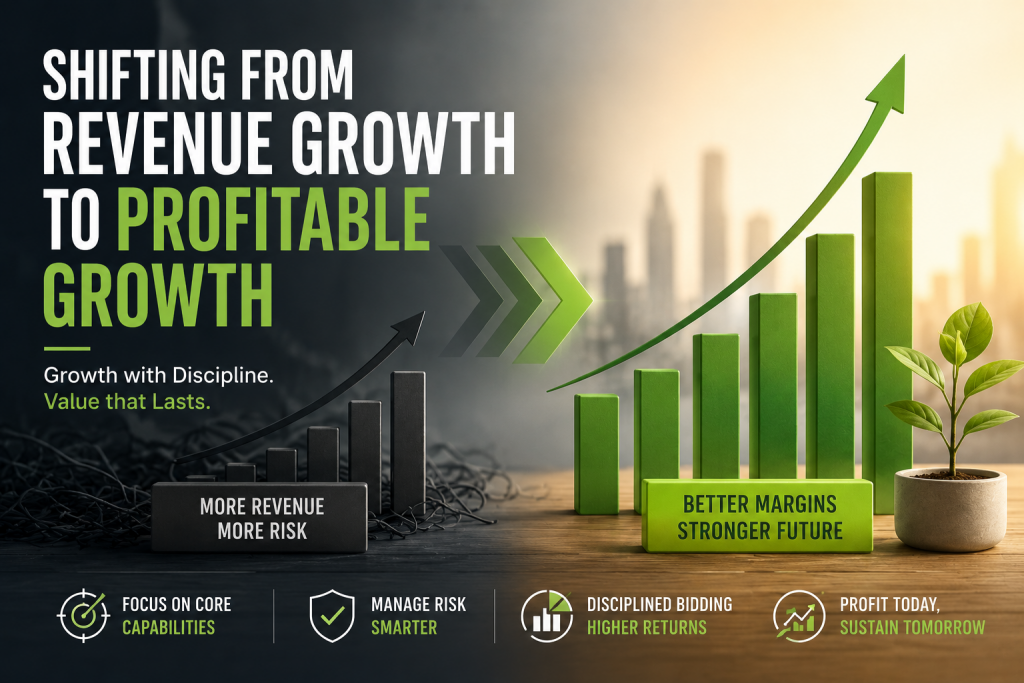
Rather than pursuing growth for the sake of market presence, Vantris Energy introduced stricter project selection criteria centred on profitability, execution capability, and risk management.
The revised strategy includes:
- Focusing on projects aligned with proven operational capabilities.
- Applying stricter financial and commercial risk assessments before bidding.
- Evaluating inflation exposure, foreign exchange risks, and project execution timelines more rigorously.
- Prioritising sustainable margins over headline revenue growth.
As Group Chief Financial Officer Ganesh Gunaratnam noted following the company’s exit from PN17, the priority is now to sustain operational momentum, improve earnings consistency, strengthen cost discipline, and rebuild long-term credibility.
Executive Takeaway
Revenue growth alone does not create shareholder value.
The quality of earnings, disciplined capital allocation, and effective risk management are increasingly important measures of corporate performance. Sustainable profitability should always take precedence over expanding the order book.
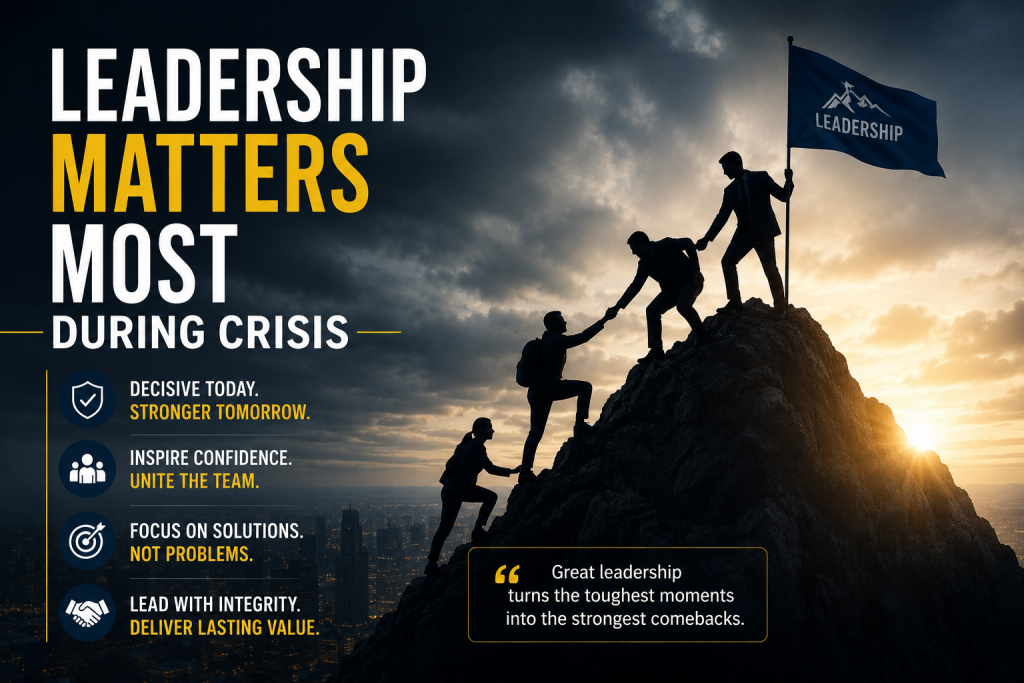
4. Leadership Matters Most During Crisis
Financial restructuring provides the technical framework for recovery, but leadership ultimately determines whether a turnaround succeeds.
Corporate transformations require boards and executive teams to make difficult decisions that may initially appear unpopular. Negotiating with creditors, reducing debt, resetting shareholder expectations, and redefining strategic priorities demand transparency, resilience, and long-term thinking.
Vantris Energy’s recovery demonstrates that successful turnarounds are rarely achieved through a single transaction or favourable market conditions. Instead, they result from consistent execution across finance, operations, governance, and stakeholder management.
For many organisations, the greatest challenge is not identifying the right strategy but maintaining the discipline to execute it over several years.
Executive Leadership Checklist
| Turnaround Phase | Strategic Priority | Leadership Focus |
|---|
| Phase 1 | Capital Reconstruction | Restore shareholders’ equity and strengthen the balance sheet. |
| Phase 2 | Debt Restructuring | Reduce financing costs and improve liquidity through sustainable capital restructuring. |
| Phase 3 | Stakeholder Alignment | Build confidence among lenders, investors, customers, suppliers, and employees. |
| Phase 4 | Operational Discipline | Focus on profitable, lower-risk opportunities supported by strong governance and disciplined execution. |
The Bottom Line
Exiting PN17 is an uncommon achievement, particularly for an organisation of Vantris Energy’s scale and complexity. The company’s recovery illustrates that even severe financial distress can be overcome through decisive leadership, disciplined capital restructuring, and a willingness to make difficult strategic choices.
For CEOs and boards navigating periods of uncertainty, the lesson extends beyond the oil and gas industry.
A successful turnaround is not defined by how quickly a company returns to profitability. It is defined by whether leadership dares to repair the organisation’s financial foundations, rebuild stakeholder confidence, and establish a business model capable of creating sustainable value over the long term.
Vantris Energy’s journey from financial distress to renewed stability serves as a reminder that resilience is not built during periods of growth. It is forged through disciplined leadership when the organisation faces its greatest challenges.