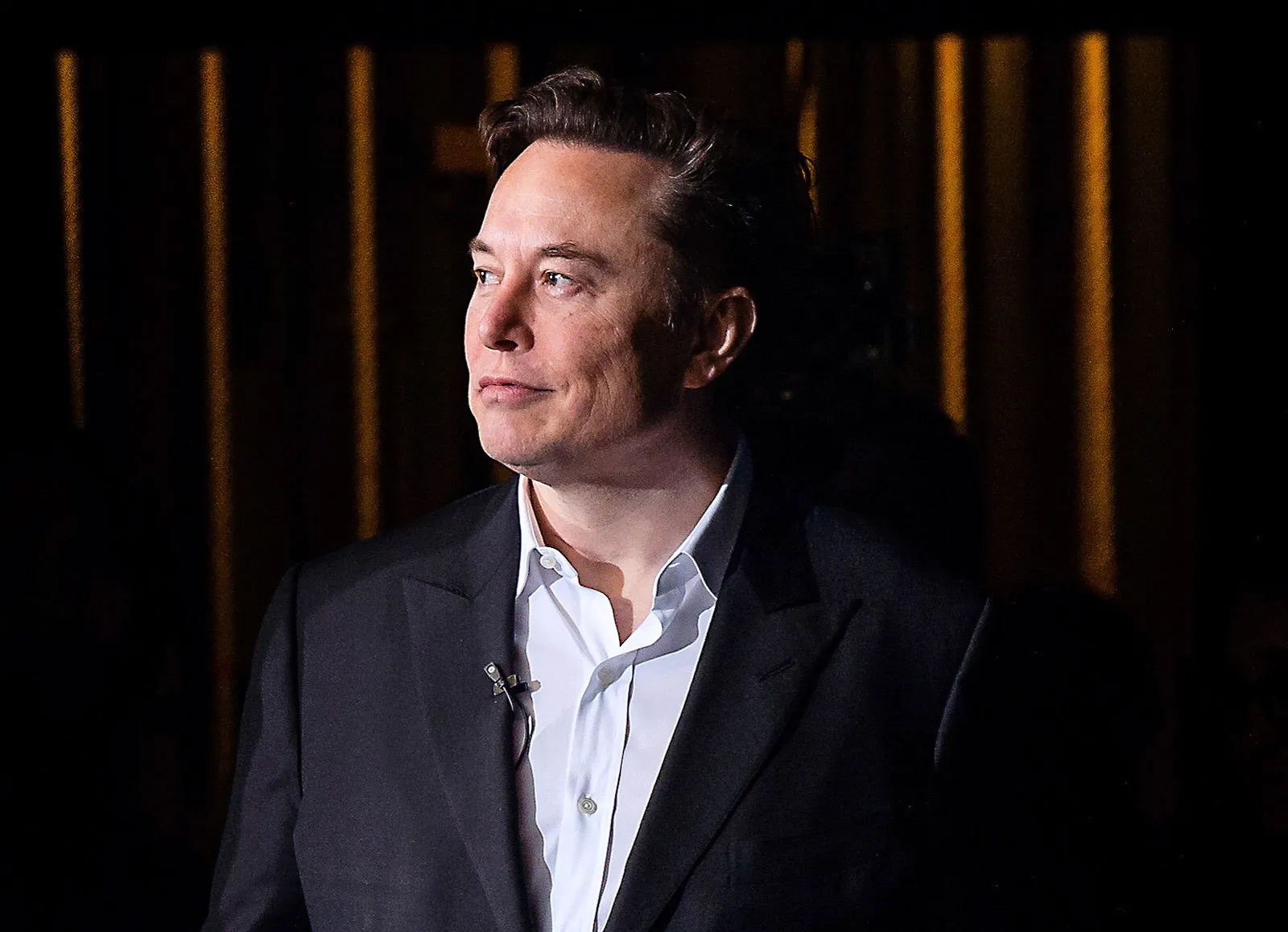
The global financial landscape crossed an unprecedented threshold this June when Elon Musk officially entered the 13-digit club. Driven by SpaceX’s record-breaking initial public offering on the Nasdaq exchange, Musk’s net worth eclipsed the $1 trillion mark, turning the eyes of the global business community toward a singular question: Who will be next?
According to prediction market data from Kalshi, corporate leadership trends are shifting rapidly. Traders are no longer betting on current balance sheet superiority; instead, they are prioritizing pure valuation velocity and artificial intelligence tailwinds.
The Frontrunners: Meta and Nvidia Take the Lead
Traders currently give Meta CEO Mark Zuckerberg the highest statistical probability of becoming the world’s second trillionaire, placing his odds at 32%. While Zuckerberg’s current net worth sits just under $200 billion—meaning his wealth must quintuple to achieve trillionaire status—his dominance in open-source AI models and global digital attention networks makes him the market favorite.
Following closely in second place is Nvidia CEO Jensen Huang with a 21% probability. Huang, whose net worth hovers around $180 billion, commands the absolute baseline infrastructure of the entire global AI ecosystem. As computing power remains the defining commodity of the modern tech economy, data markets view Nvidia’s growth potential as fundamentally exponential.
The Value Trap: The Curious Case of Michael Dell
The most striking anomaly in the prediction data centers on Dell Technologies CEO Michael Dell. Despite possessing a current net worth of $240 billion—significantly higher than both Zuckerberg and Huang—Dell’s odds of reaching a trillion-dollar valuation sit at a microscopic 6%.
| Executive | Current Net Worth | Kalshi Trillionaire Odds |
| Mark Zuckerberg (Meta) | < $200 Billion | 32% |
| Jensen Huang (Nvidia) | ~ $180 Billion | 21% |
| Michael Dell (Dell) | ~ $240 Billion | 6% |
This sharp divergence exposes a critical reality for modern enterprise strategists: current wealth is a lagging indicator. While Dell has successfully capitalized on immediate enterprise server demand, prediction markets view hardware manufacturing as subject to cyclical margins. Conversely, Meta and Nvidia are viewed as structural monopolies capable of capturing systemic, long-term AI upside.
Furthermore, C-suite executives must recognize that 13-digit wealth is highly volatile; tracking indices show that public market fluctuations routinely push ultra-high-net-worth fortunes above and below the trillion-dollar line week-by-week. In the evaluation of enterprise value, legacy asset scales are being thoroughly eclipsed by structural business model momentum.