

When you’re starting out, whether you’re huddled over a laptop in a campus dorm or bootstrapping a project from your garage. There’s this lingering myth that leadership is a fixed personality trait. We think we have to be the loud, charismatic visionary or the calm, detached genius. But here’s the truth: leadership isn’t a static persona. It’s a toggle switch.
It’s about reading the room, understanding the moment, and knowing exactly which tool to pull from your kit.
If you’re trying to build a team, you don’t need to be one thing; you need to be many. Here is your leadership toolkit.
The Foundation Builders- Growing Your People
When your team is fresh, you aren’t just managing tasks; you’re building capacity.
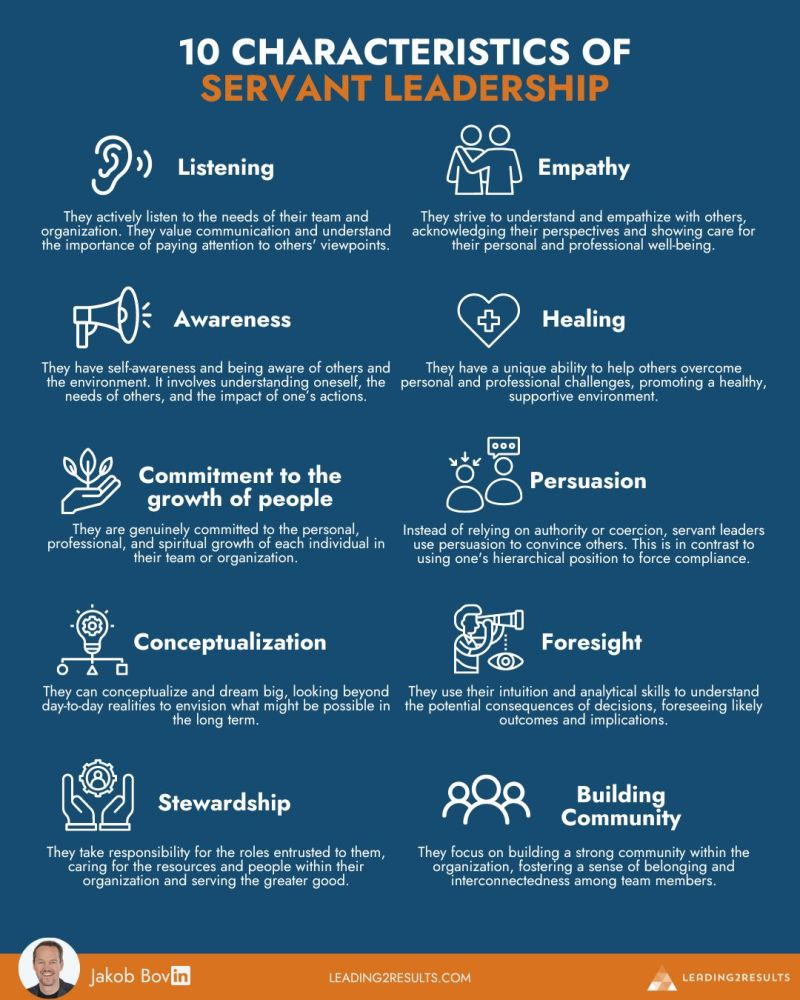
- The Servant Leader: You focus on the team’s stability, removing roadblocks so they can do their best work. It builds immense trust. The catch? You have to be careful that standards don’t slide simply because you’re too focused on keeping everyone comfortable.
- The Coach: You’re investing in the “long game.” You build capability by leading through others. The catch? Don’t let your team become dependent on your input. They need to learn to make decisions when you aren’t around.
- The Democratic Leader: You value the chorus of voices, drawing decisions from the group. It creates massive buy-in. The catch? In the fast-paced world of startups, you have to watch out for decisions stalling in a loop of endless consensus.
The Engines of Growth- Driving the Mission
Sometimes, the ship needs to move, and it needs to move fast.
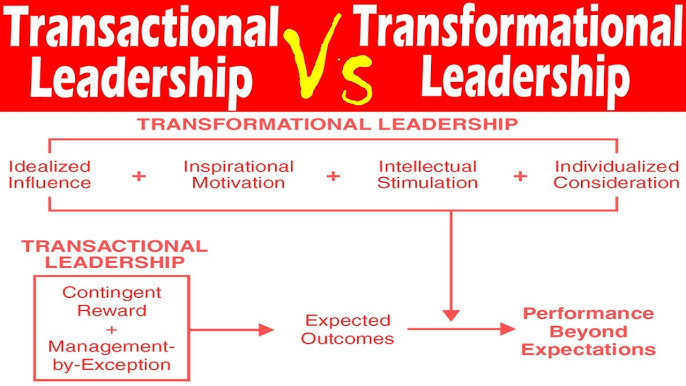
- The Transformational Leader: You challenge the status quo and raise the potential of everyone around you. You drive change, even when it’s uncomfortable. The catch? Watch out for “change fatigue.” Your team can only handle so much upheaval before they burn out.
- The Visionary: You see the horizon before the path is even cleared. You thrive on uncertainty and inspire others to follow. The catch? Big ideas are beautiful, but they go unfinished without a bit of structure to hold them together.
The Operational Core- Getting Things Done
Ideas are great, but execution is the currency of the entrepreneur.

- The Autocratic Leader: You make the call when the building is on fire. It’s fast and decisive. The catch? Use this sparingly. Trust erodes quickly if people feel their voices are never heard, even when the fire is out.
- The Transactional Leader: You set clear expectations, tying rewards directly to accountability. It’s the engine room of productivity. The catch? Be careful with the pressure. Constant performance tracking can kill the spark of creativity if you aren’t providing support.
- The Delegative Leader: You trust your people, avoid the temptation to micromanage, and focus entirely on the outcome. The catch? Alignment. You have to check in occasionally, or you might find the ship is sailing in the wrong direction before you’ve realized it.
The MVP – The Situational Leader
This is where the magic happens.
The Situational Leader doesn’t claim one style; they read the room. They know when to be the coach, when to be the visionary, and when to be the one making the tough, autocratic call.

Is your team struggling with a core concept? Coach them. Is there a deadline looming in an hour? Take charge. Are you brainstorming the next big pivot? Open the floor.
The danger of this style? Inconsistency. If you change your approach too wildly, your team will never know what to expect from you. The key is transparency. Tell your team why you are shifting gears. Say, “Look, we’re in crunch time, so I’m going to make the final calls today,” or “This is a creative session, so I want to hear everyone’s wild ideas.”
Your Next Step
You don’t have to master all nine of these by Monday. Start by identifying your “default” setting—the style you naturally slip into when you’re stressed or excited. Now, identify one style you’ve been avoiding. Maybe you’re great at the “Visionary” part but terrible at “Transactional” accountability.
Growth isn’t about finding the one perfect style. It’s about becoming fluent in all of them, so you can lead the moment, rather than just reacting to it.
After all, the best entrepreneurs aren’t the ones who know all the answers. They’re the ones who know how to unlock the answers in the people around them.