For decades, the story of the Malaysian economy was anchored in a simple, reliable narrative. We were a young nation. We had a sprawling, eager workforce that propelled our industries, fueled our consumption, and kept the gears of our manufacturing sector turning without complaint. It was a comfortable story because it was easy to measure. You added more people, you opened more factories, and you grew. But in the quiet halls of statistics, that story has reached its final chapter.
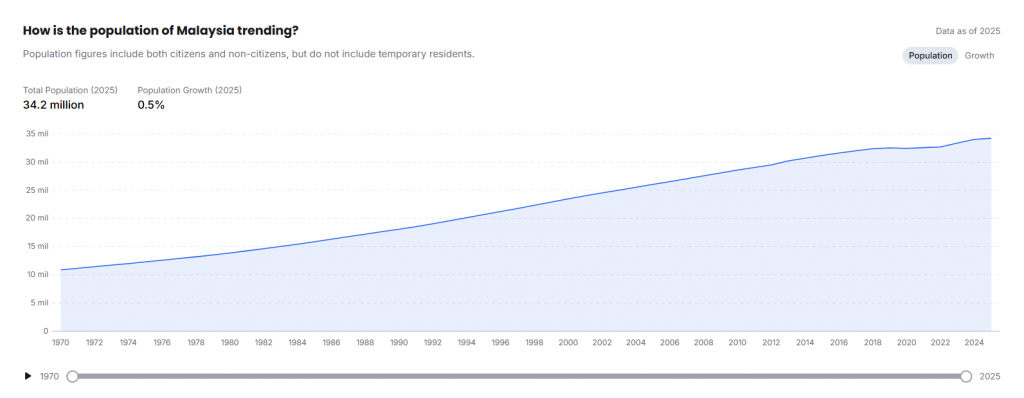
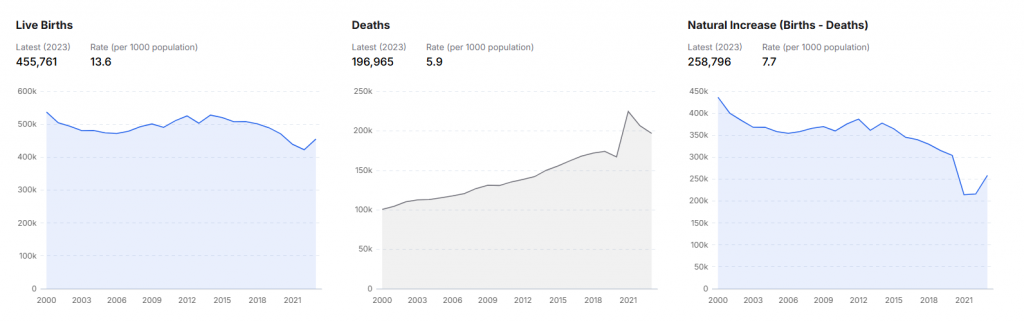
The latest numbers tell us that we are shifting. Our population is edging toward thirty-six million, yet the average age is steadily climbing. With birth rates dipping below replacement levels and the proportion of our senior citizens expanding, the demographic dividend that once served as our primary engine is running dry. We are no longer the young, bottomless pool of labor we used to be. This is not a sudden collapse, but it is a fundamental reconfiguration of our economic reality.
We have spent years relying on a crutch. Our heavy dependence on foreign labor in sectors like construction, agriculture, and hospitality has often acted as a substitute for genuine innovation. When labor is cheap, there is very little incentive to spend money on robotics or streamlined digital processes. Why automate a task when you can hire someone to do it for a fraction of the cost? That logic may have served us in the past, but it has left us vulnerable. We are now caught in a middle-income trap precisely because we prioritized quantity of hands over the quality of output.
This is where the conversation about automation often goes astray. Too many people frame it as a brutal war between man and machine, a zero-sum game where every robot installed represents a job stolen from a worker. I see it differently. Automation, in our current context, is not an enemy of employment. It is the only bridge to our survival.
If we look at the rate of automation in Malaysia today, it remains modest compared to our potential. Many firms are still hesitant to commit the capital required for deep digital transformation. They fear the disruption. They worry about the training gap. Yet, the alternative is far more dangerous. If we refuse to integrate advanced manufacturing and artificial intelligence into our workflows, we will not remain competitive in a global market that is already pivoting to high-tech fabrication. We will simply become too expensive for low-end work and too inefficient for high-end production.
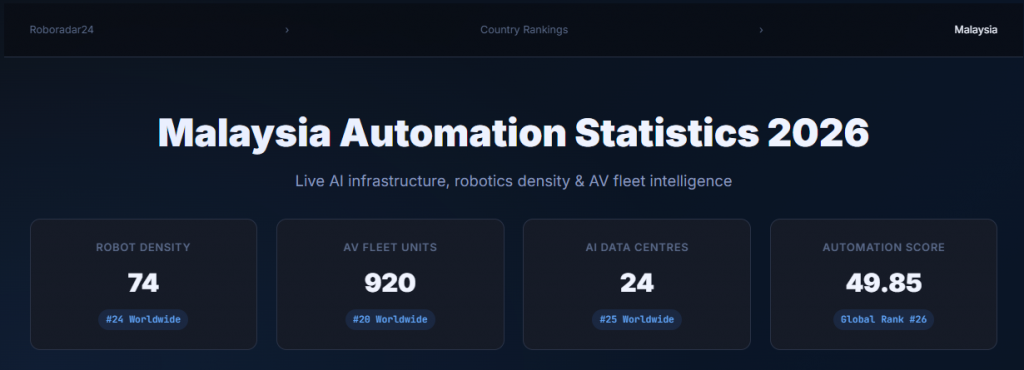
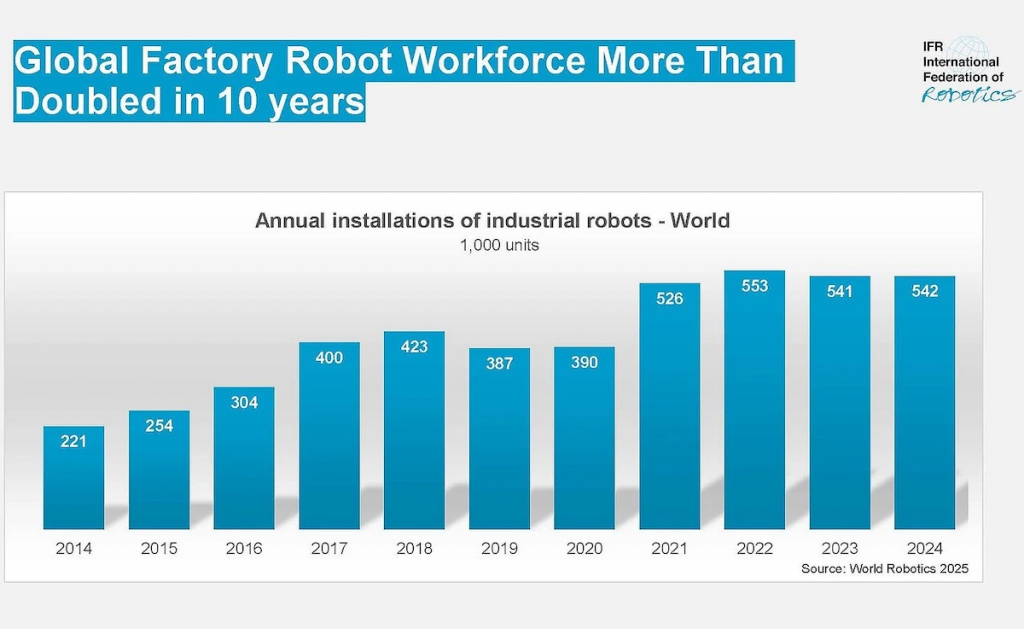
The real threat to the Malaysian job market is not the machine. The real threat is the stagnation of skills. If we continue to view our workforce as a commodity, as interchangeable parts in a supply chain & we will eventually lose out to nations that have invested in the digital literacy and technical dexterity of their people. Automation gives us the permission to stop doing the mundane tasks that suppress wages and stifle creativity. It allows us to pivot our workforce toward higher-value roles, such as system architecture, machine maintenance, and creative problem-solving.
We must stop measuring our success by how many hours a person works and start measuring it by the value they generate per hour. This is the pivot. We are moving from an era of labor-intensive growth to an era of productivity-led expansion. The government, the corporate sector, and our educational institutions have a singular task. We must create a culture where technology is viewed as an extension of human potential rather than its replacement.
The future of Malaysia will not be defined by the size of our population. It will be defined by how cleverly we use the hands and minds we have, supported by the machines that allow them to do more. The era of cheap, infinite labor is over, but that is not a tragedy. It is a wake-up call. We have the resources, the infrastructure, and the ambition to become a high-tech powerhouse, but we need to act with urgency. The window of opportunity is open, but it will not stay that way forever. It is time to stop building for the past and start engineering for the future.