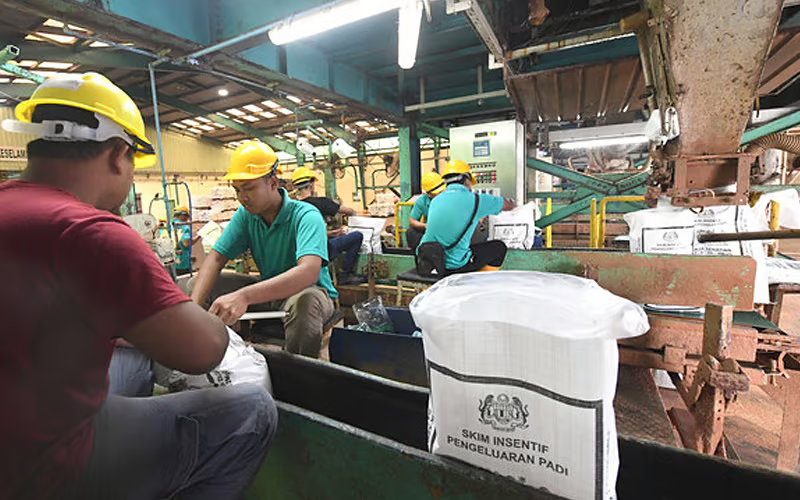
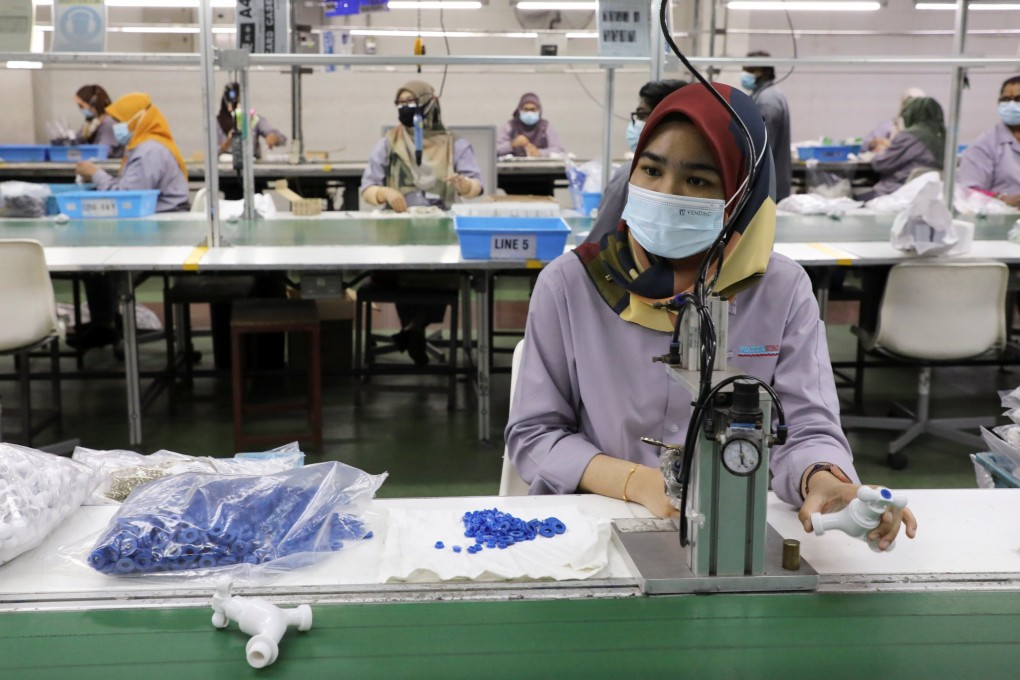
We walk past them every day. The neighborhood cafe that serves that specific roast of coffee, the small logistics firm tucked away in an industrial park, or the boutique shop in a suburban mall. They are the background radiation of our daily lives. Then one day, the lights stay off. A for-rent sign appears in the window. We move on with our morning commute, perhaps feeling a flicker of passing sadness, but we rarely stop to consider the scale of what is actually happening.
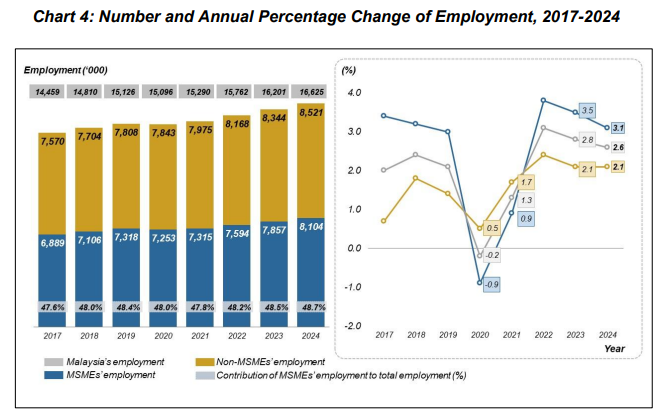
The recent news that thirty-eight thousand jobs have evaporated because small and medium enterprises are buckling under pressure is not just a statistic. It is a siren. It tells us that the very backbone of our economy is fracturing under a weight that it was never designed to carry.
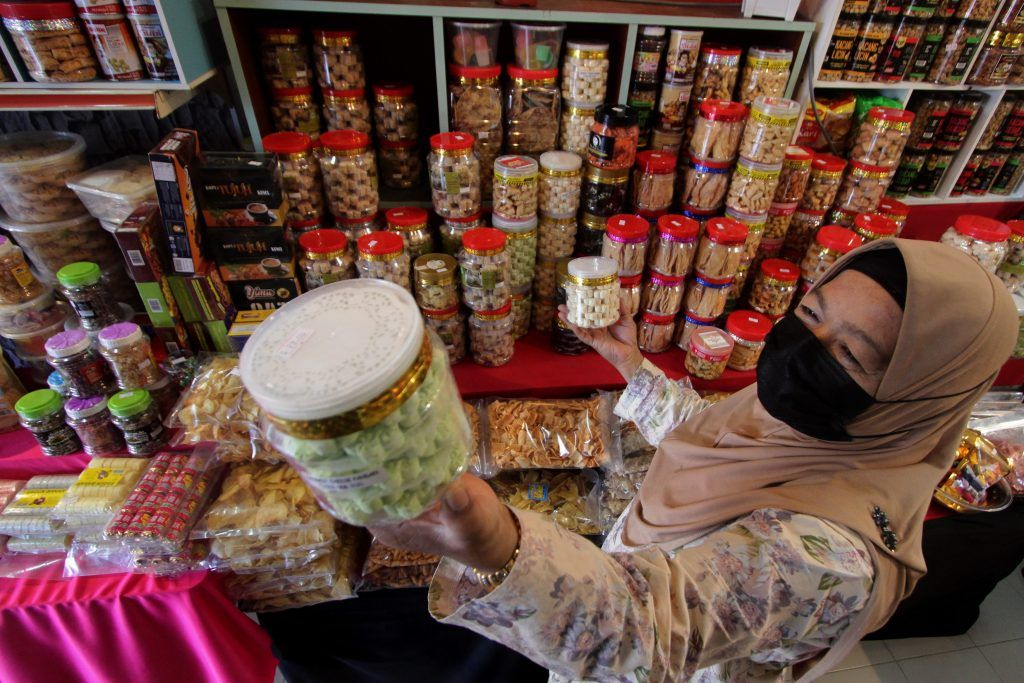
When businesses struggle, they do not just cut costs. They cut livelihoods. These thirty-eight thousand people are not abstract numbers on a spreadsheet. They are parents who have to explain to their children why the plans for the month have suddenly changed. They are young graduates who find the entry-level market closing its doors just as they are ready to step through.
The mechanism behind this collapse is a cruel double-edged sword. On one side, the cost of doing business is climbing. Operational expenses, raw materials, and energy costs have crept upward, leaving business owners with narrower margins than ever before. On the other side, consumer demand is muted. The average Malaysian family is feeling the pinch of inflation, which means they are spending with extreme caution. People are choosing between saving for the future and paying for the present. In this environment, the small business owner is caught in the middle of a squeeze that few can survive.
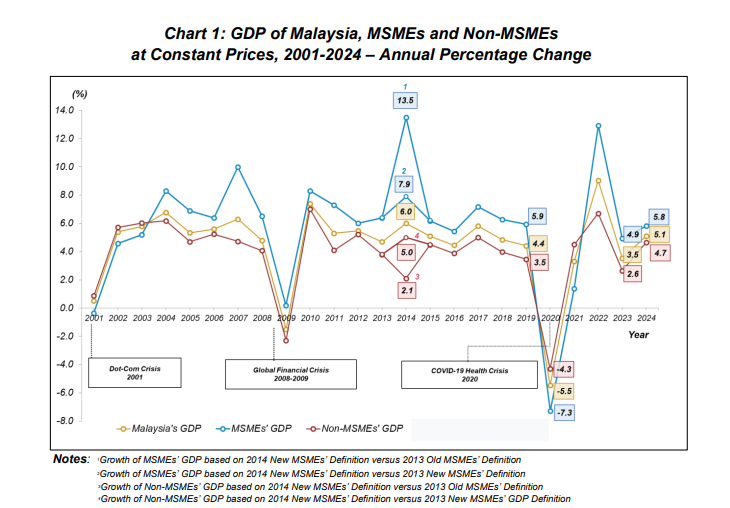
We have long called SMEs the backbone of the nation, yet we treat them with the fragility of glass. We expect them to be the engine of our economy, to provide the bulk of our employment, and to innovate at the speed of global competitors, all while they operate with limited capital and little safety net. When the economic weather turns, they are always the first to feel the cold.
Some might argue that this is simply the market correcting itself, but that view ignores the human cost of these failures. If we let our SMEs wither, we do not just lose jobs. We lose the supply chain diversity that keeps our economy resilient. We lose the local character that makes our business ecosystem unique. We risk becoming a nation where only the gargantuan corporations survive, leaving no room for the small, agile innovators who often grow into the giants of tomorrow.
This crisis demands more than just hand-wringing. It requires us to look at how we support the lifeblood of our country. Are we providing the right incentives for these firms to digitize and improve their efficiency before the costs become unsustainable? Are we fostering a marketplace where small players can actually compete rather than just struggle to keep the lights on?
Automation is often touted as the long-term solution, but we must be careful. You cannot ask a business owner who is struggling to make payroll this month to invest in high-tech robotics. That is a mismatch of priorities. The transition to a more efficient, automated economy must be a bridge, not a chasm. We need to help them get across that gap without leaving their employees behind.
Thirty-eight thousand jobs have gone, and the echo of that loss will be felt in every sector of our society. It is time to stop viewing these closures as an inevitable side effect of a changing economy. Instead, we must start treating the health of our SMEs as the most vital metric of our national success. If the backbone of our economy breaks, we will all feel the weight of the fall.