
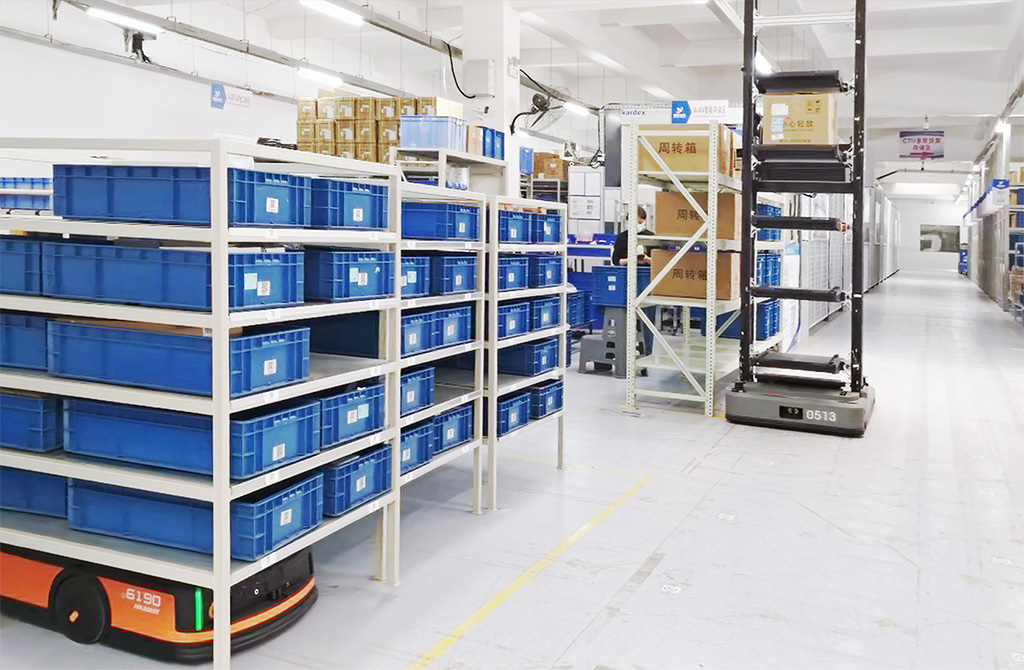
If you walk into a modern “super factory” today, you might expect the clatter of machinery and the chaotic energy of hundreds of workers rushing to meet quotas. Instead, you are met with something far more unsettling. Silence. Or perhaps, the rhythmic, high-pitched whirring of servos. The air is still. The production line moves with a precision that borders on the unnatural. This is no longer the future of manufacturing; it is the present.
The global shift toward total automation is not just happening in the headlines. It is happening in the infrastructure of the world. We are seeing a race that feels almost like the space race of the sixties, but this time, the territory being conquered is the factory floor.
The Humanoid Gold Rush
The recent surge in humanoid robotics is perhaps the most visible sign of this evolution. Companies like Seres are moving beyond simple assembly arms to debut humanoid robots that mimic the fluidity and dexterity of human workers. But what is truly fascinating is not the technology itself, but the economic ripple effect.
A recent deep dive into the Chinese robotics market reveals something that sounds like the early days of the smartphone wars. A bruising price war has broken out. When robots become cheap enough to compete with minimum wage, the entire economic calculus of hiring changes overnight. We are entering a cycle where robotics are becoming commoditized. This is not just a trend for high-end tech firms; it is a signal that affordable automation is coming for every sector, from automotive assembly to retail fulfillment.
Beyond the Human Form
While the humanoids grab the spotlight, the real “heavy lifting” is happening in the specialized sectors. Consider the deployment of marine welding robots. These machines are stepping into environments that are essentially death traps for humans—tight, toxic, and high-pressure zones where precision is a matter of life and death. By offloading these tasks to robots, we aren’t just boosting efficiency. We are drastically reducing the human cost of industrial advancement.
This is the true utility of modern robotics. It is about taking the “dull, dirty, and dangerous” off the human plate.
The Orchestration of the Unmanned Warehouse
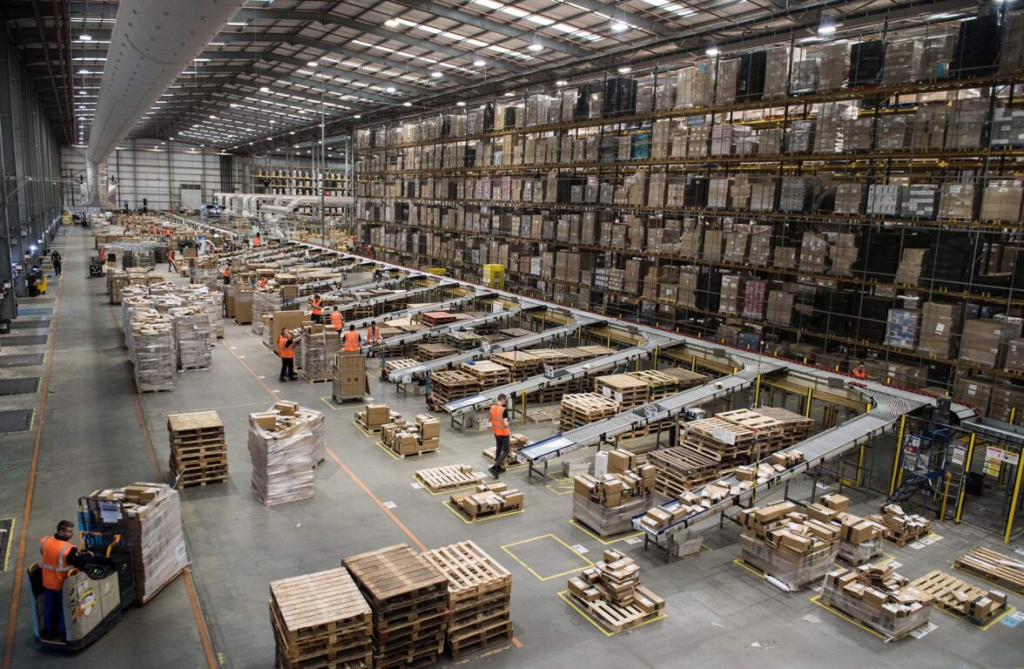
If you look at the logistics sector, the change is even more profound. Take a company like Pudu, which has become a
household name in service robotics, or Huawei, which is quietly building the digital nervous system for these factories.
These warehouses are no longer just storage units. They are massive, interconnected ecosystems. Huawei’s approach—utilizing AI, cloud computing, and advanced 5G connectivity—acts as the brain, while robots from companies like Pudu provide the movement. They navigate aisles, pick items, and sort inventory without ever needing a coffee break or a shift change. The result is a seamless flow of goods that moves faster than any human-led team ever could.
What This Means for the Workforce
There is a natural anxiety that comes with this news. People ask where the jobs go when the robots arrive. It is a valid question, but perhaps we are asking it the wrong way.
The history of technology is not a history of total replacement. It is a history of reclassification. Just as the invention of the automobile didn’t kill the concept of transportation but rather replaced the carriage with something more efficient, the robot revolution is shifting the human role from manual labor to machine orchestration.
The future worker in a Malaysian SME or a global manufacturing plant will not be the one doing the heavy lifting. They will be the one monitoring the data, maintaining the machines, and managing the AI that drives the entire ecosystem.
We are standing on the edge of a new industrial era. It is cleaner, faster, and more precise than anything that came before. The question for us is not whether these robots will arrive, because they are already here. The question is how quickly we can adapt, learn, and position ourselves to lead the machines, rather than just standing by and watching them work.