
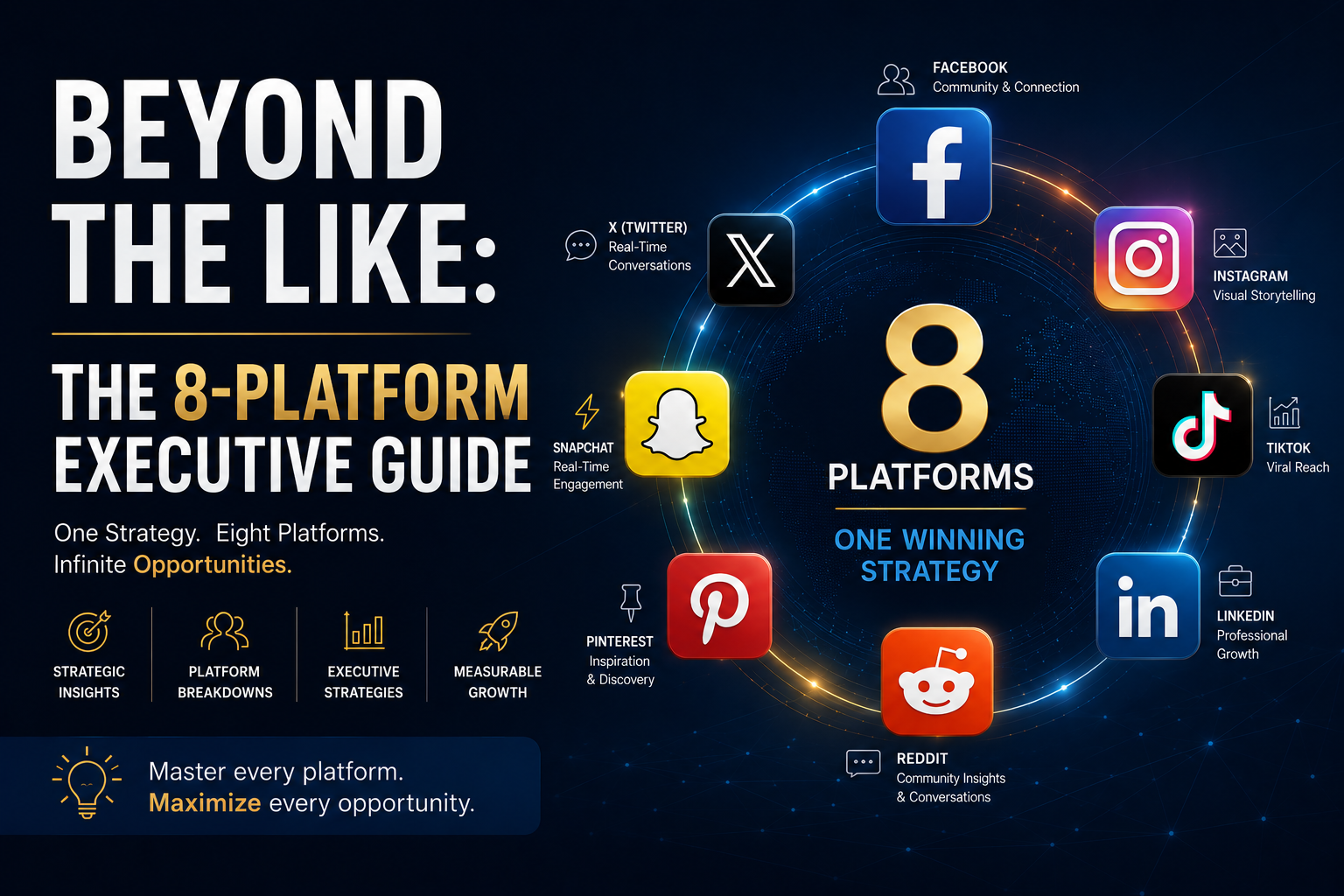
Modern enterprises understand that a one-size-fits-all approach to digital marketing does not work. To optimize return on investment, companies must align their branding, customer engagement, and networking goals with the unique ecosystem of each social media platform. Choosing the right channel allows businesses to communicate clearly with their specific target audience and scale their digital footprint effectively. By tailoring content to match user expectations on each platform, organizations can build sustainable digital authority, maximize marketing budgets, and turn casual followers into loyal brand advocates in an increasingly competitive marketplace.
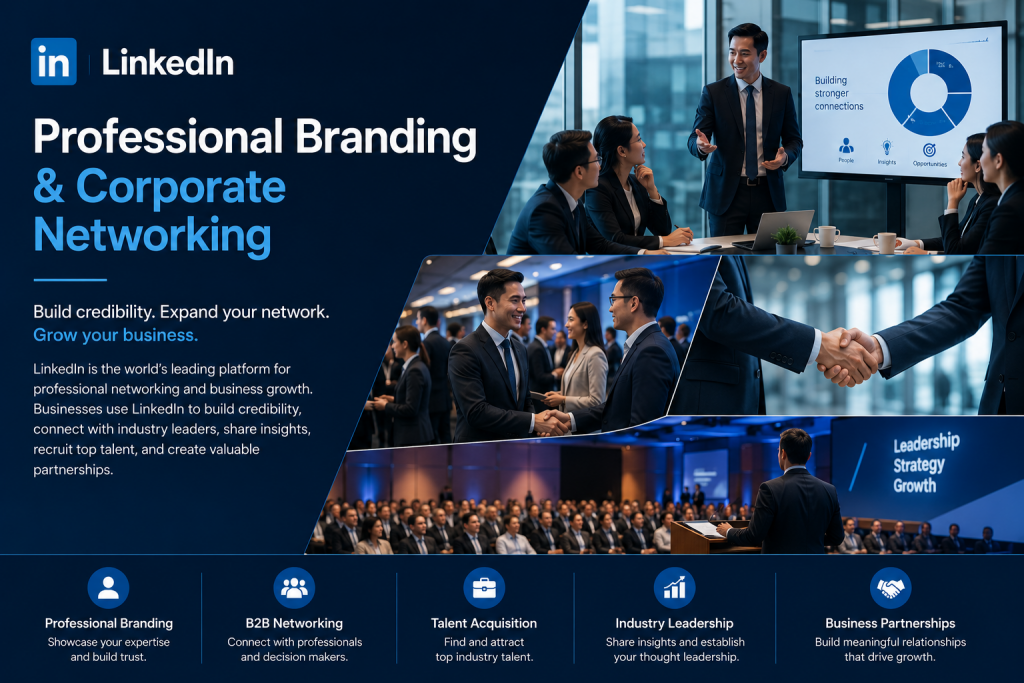
LinkedIn serves as the premier global ecosystem for professional networking, corporate branding, and B2B marketing. Organizations utilize this platform to establish executive thought leadership, share industry whitepapers, and build strategic corporate partnerships. It also serves as a vital channel for employer branding, allowing HR departments to attract highly skilled professionals by showcasing workplace culture and corporate achievements. By consistently publishing educational content and corporate updates, businesses can build long-term industry credibility, nurture high-value client leads, and position their executive teams as trustworthy experts within their respective sectors.
Best for: Professional branding, B2B networking, and talent acquisition.
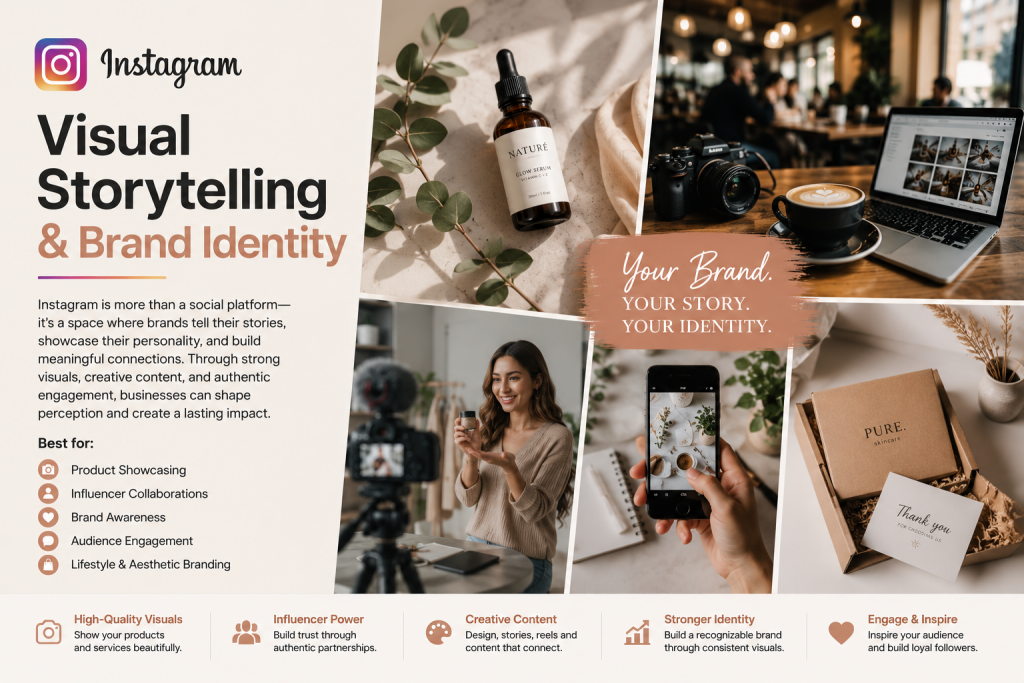
Instagram focuses heavily on premium visual storytelling, lifestyle marketing, and direct audience engagement. Businesses build cohesive brand identities on this platform by utilizing high-quality imagery, interactive stories, reels, and behind-the-scenes content. It functions as an ideal digital storefront for consumer-facing brands seeking to drive product discovery and impulse purchasing. Through creative aesthetics and strategic influencer collaborations, companies can humanize their corporate image, build emotional connections with consumers, and use integrated shopping features to convert visual engagement directly into e-commerce sales.
Best for: Visual branding, influencer collaborations, and customer engagement.
TikTok
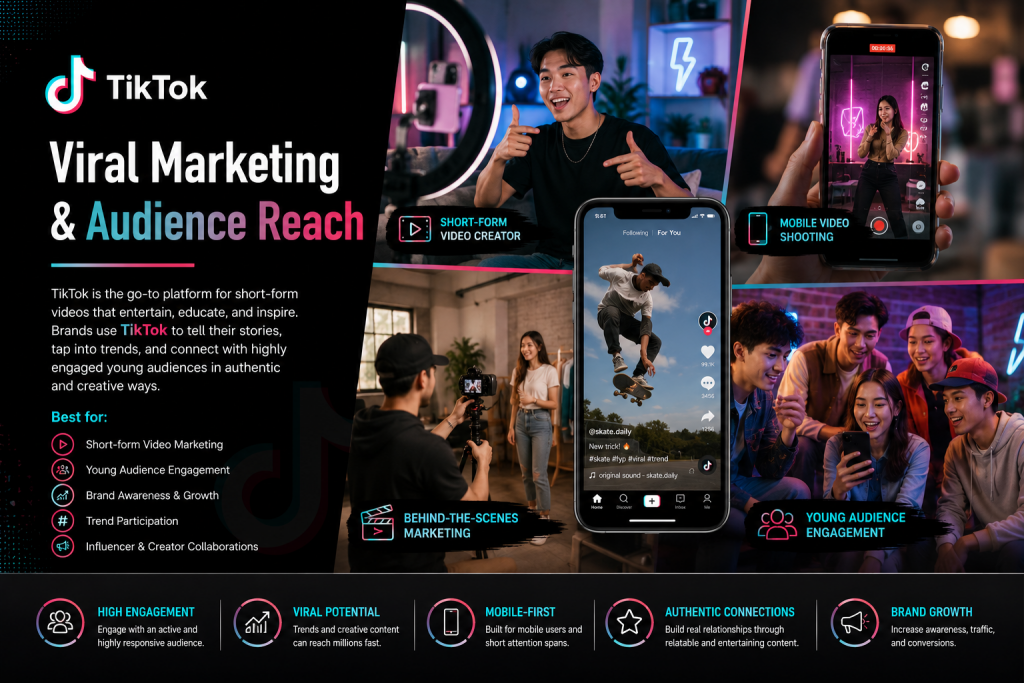
TikTok has revolutionized corporate marketing through short-form video content, authentic storytelling, and trend-driven engagement. Brands use this platform to break away from rigid corporate structures, showcase product utility in real-world scenarios, and reach younger consumer demographics like Gen Z and Millennials. Its powerful, interest-based algorithm allows even small businesses to gain massive viral exposure without a massive ad spend. By adopting a casual, human-centric approach, companies can capitalize on cultural moments, participate in relevant challenges, and build a highly active community that advocates for the brand organically.
Best for: Viral marketing, high-impact audience reach, and youth engagement.
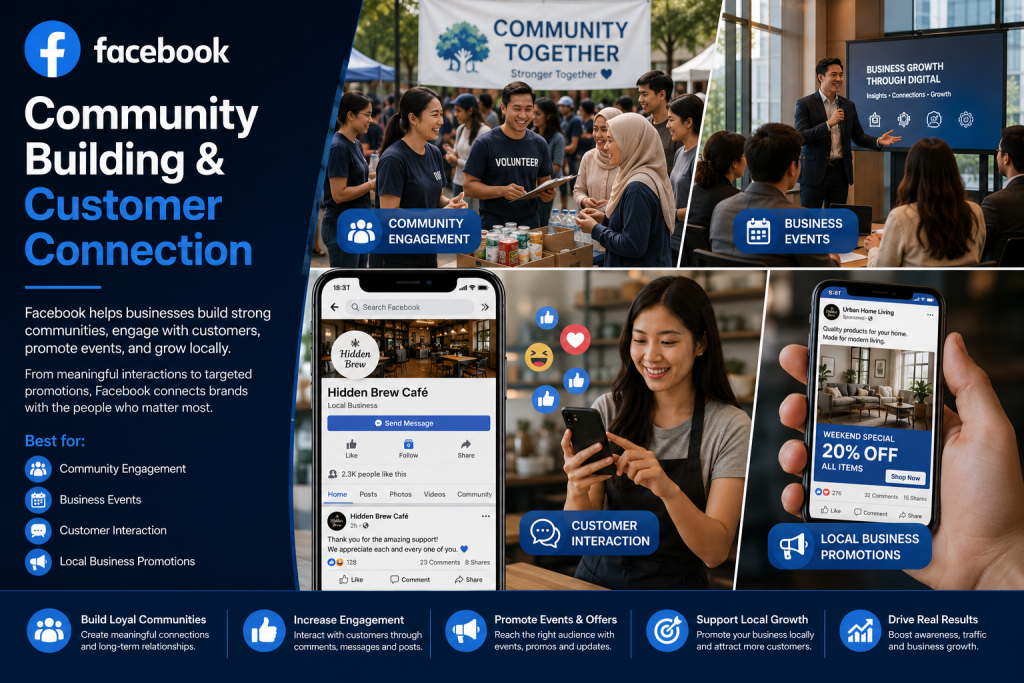
Facebook remains an essential foundation for localized marketing, customer service, and long-term community building. Companies use its extensive infrastructure to manage dedicated customer support groups, share comprehensive business updates, and run highly targeted paid advertising campaigns focused on specific regional demographics. Because of its diverse user base, it allows businesses to maintain deep connections with legacy customers while utilizing advanced analytics to find new buyers. Managing an active Facebook page helps brands foster customer loyalty, handle inquiries efficiently, and establish a central hub for company announcements and reviews.
Best for: Community management, targeted advertising, and customer interaction.
X (formerly Twitter)
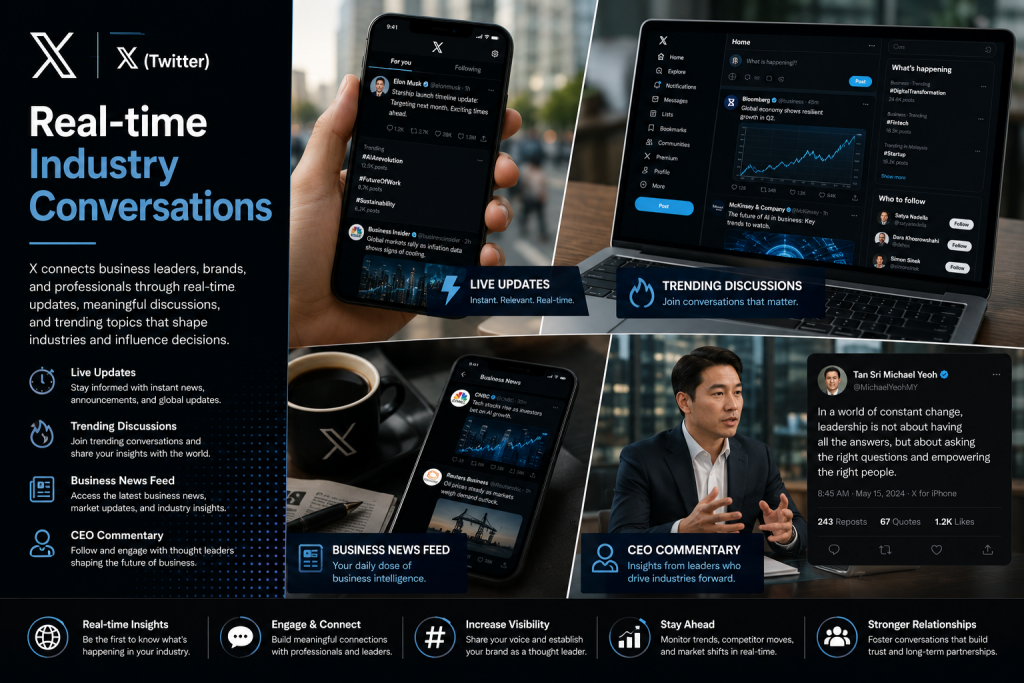
X serves as the primary fast-paced channel for real-time public relations, immediate industry commentary, and corporate announcements. Executives, brand managers, and journalists use it to participate in immediate market conversations, address customer service inquiries transparently, and handle crisis communication effectively before a narrative escalates. By maintaining an active presence on this platform, businesses can monitor breaking industry news, gauge instant public reaction to corporate developments, and engage directly with thought leaders and consumers, demonstrating that the brand is attentive, modern, and highly responsive to market shifts.
Best for: Real-time communication, PR updates, and industry discussions.
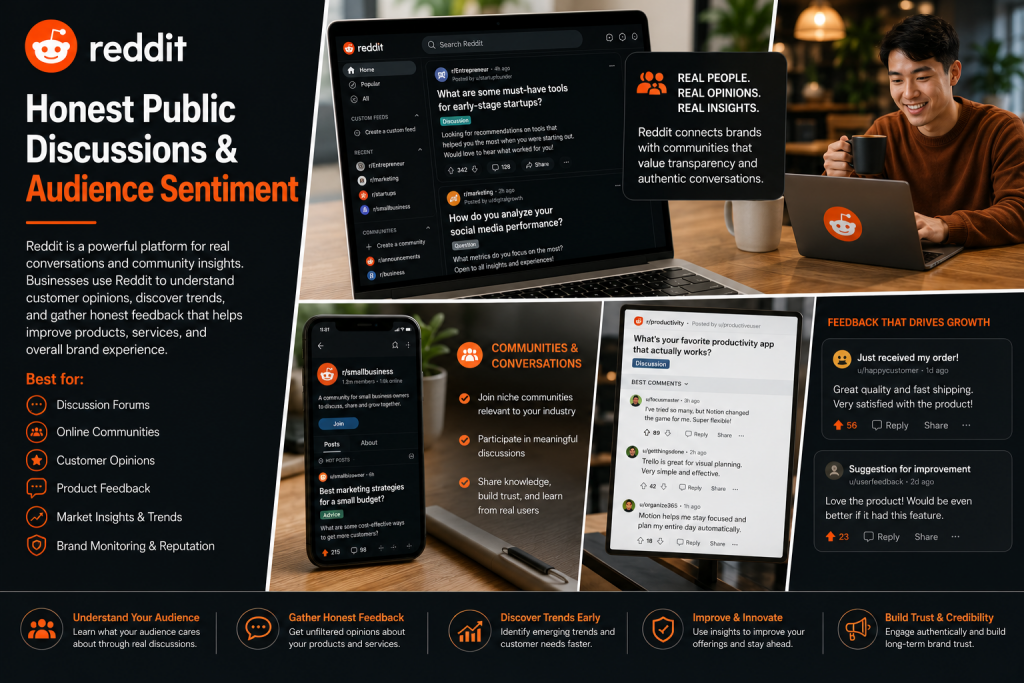
Reddit provides businesses with unfiltered consumer insights, authentic feedback, and market intelligence through decentralized, interest-based communities known as subreddits. Rather than using overt promotions or traditional sales pitches, which are generally rejected by the community, smart brands participate transparently in relevant discussions to solve complex user problems, gather honest reviews, and deeply understand customer sentiment. Monitoring these forums allows companies to discover exactly what pain points their competitors are failing to address, giving them a distinct advantage in product development, customer satisfaction strategies, and targeted market positioning.
Best for: Deep market insights, community feedback, and organic research.
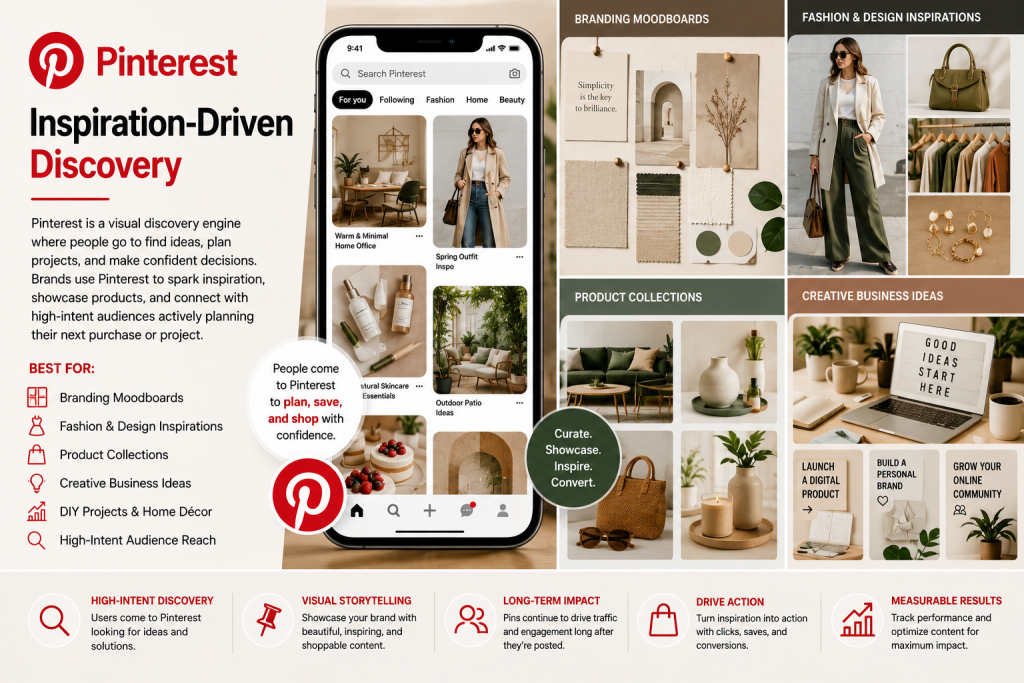
Pinterest operates effectively as a visual discovery engine and a digital catalog for inspiration-led purchasing decisions. Businesses in design, e-commerce, architecture, fashion, and lifestyle sectors utilize the platform to pin curated concepts, infographics, and product guides that solve user problems. Because users actively search for ideas and planning inspiration on this platform, the content has a significantly longer shelf-life than standard social media posts. By optimizing visual pins with relevant keywords, brands can drive consistent, high-intent referral traffic back to their official corporate websites to boost inbound lead generation.
Best for: Visual discovery, inbound traffic generation, and inspiration marketing.
Snapchat
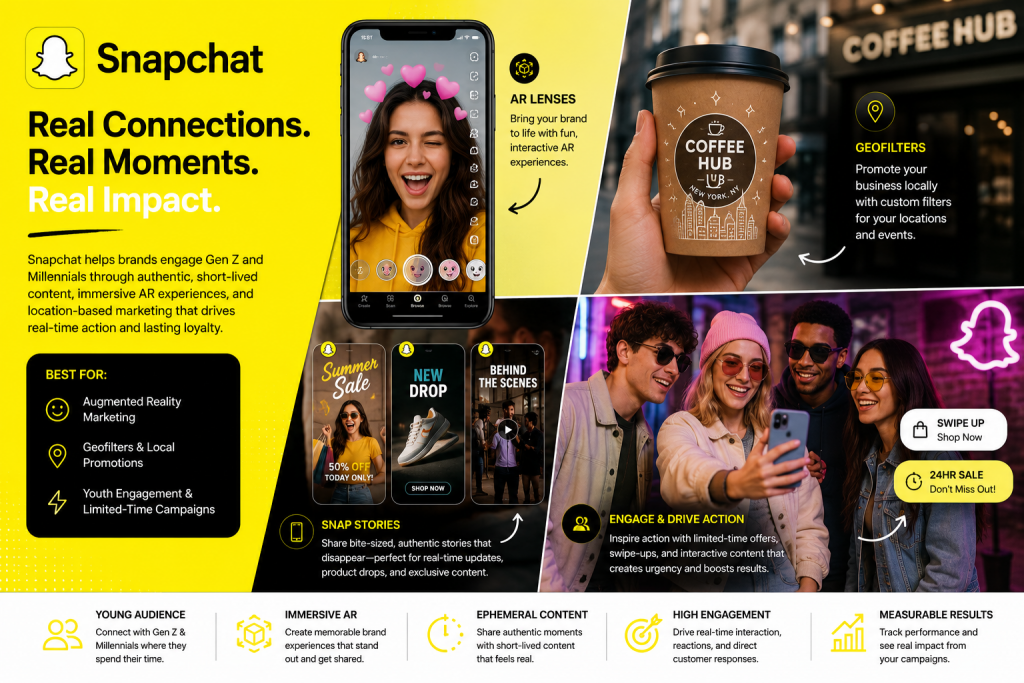
Snapchat offers brands a highly dynamic environment centered around ephemeral messaging, immersive augmented reality (AR) experiences, and localized marketing. Forward-thinking businesses leverage this platform to engage deeply with Gen Z and younger millennial audiences who prefer fleeting, highly authentic content over curated feeds. By utilizing sponsored AR lenses, geofilters for brick-and-mortar locations, and bite-sized stories, companies can capture raw consumer attention and drive immediate, high-intent actions. It serves as an excellent laboratory for experimental marketing campaigns, interactive product trials, and launching exclusive, limited-time promotions that build intense brand loyalty among younger demographics.
Best for: Augmented reality marketing, ephemeral branding, and youth engagement.
Conclusion
A successful digital strategy relies on placing the right message on the right channel. By analyzing the unique strengths of these eight platforms, Malaysian companies and SMEs can allocate their resources efficiently, strengthen customer trust, and secure sustainable market growth.