
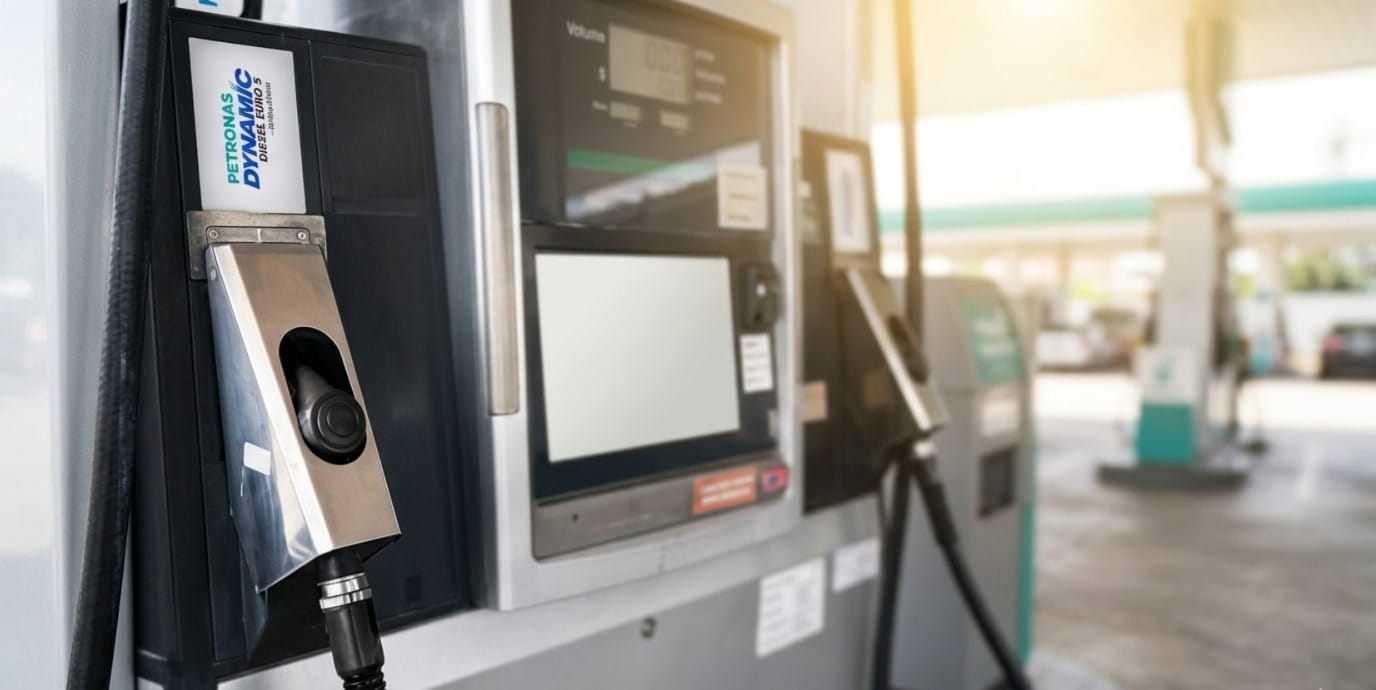
The roll-out of Malaysia’s latest fuel subsidy rationalization often triggers immediate corporate anxiety over margin compression and freight surcharges. However, a deep-dive analysis by TA Securities on the upcoming Budi Madani Diesel framework reveals that the structural design of this policy is intentionally built to prevent a cascading inflation shock across our supply chains.
For Malaysian CEOs mapping out operational costs and consumer demand strategies for the second half of 2026, understanding the targeted mechanics of this reform is critical. This is not a blunt fiscal squeeze. It is a highly insulated transition designed to preserve both corporate logistics and household purchasing power.
The Operational Shield: Protecting Logistics from Pass-Through Costs
In traditional subsidy rationalization, the immediate threat to enterprise operations is the rapid pass-through of transportation costs into retail goods and food prices. The Budi Madani Diesel framework neutralizes this risk through two primary insulation layers,
- The SKDS Safeguard – Commercial and logistics operators will remain structurally protected under the Subsidised Diesel Control System (SKDS). This mechanism ensures that commercial transport costs remain stable, preventing a spike in wholesale freight rates.
- Minimal CPI Weighting – Within Malaysia’s Consumer Price Index basket, diesel carries a negligible weight of just 0.2%, compared to the heavy 5.5% weight of petrol. This small statistical footprint heavily restricts any direct distortion of headline inflation.
Because the core engines of enterprise logistics remain subsidized, CEOs should look critically at any vendor attempting to justify immediate logistics surcharges based on this policy shift.
Redefining the Quota: The Shift to Consolidated Allocations
The operational realities of the new system, which goes live with final pricing on July 1, introduce a combined allocation model. The government is merging the diesel subsidy quota with the existing Budi95 scheme for RON95 petrol.
Eligible individuals will operate under a combined monthly allocation of 200 litres across both fuel types, rather than maintaining isolated pools. For business owners utilizing utility vehicles, the policy includes a dedicated allowance. Owners of pick-up trucks and jeeps can secure an additional 100 litres per month via the Budi Diesel registration portal.
Financially, this transition replaces the previous Budi Diesel Individu cash assistance scheme, which distributed flat RM200 monthly payouts. By shifting to the MyKad verification mechanism at the pump, the government is expanding its data umbrella from 180,000 cash recipients to roughly 700,000 eligible vehicle owners nationwide.
Macro Trends: Stable Inflation and Defended Consumption
From a macroeconomic perspective, the enterprise environment remains highly predictable. TA Securities has maintained its full-year 2026 inflation forecast at a manageable 2.1% to 2.6%. Headwinds are further moderated by the fact that headline inflation averaged a stable 1.7% over the first five months of the year.
2026 Macroeconomic Metrics (TA Securities Forecasts)
─────────────────────────────────────────────────────────────
Headline Inflation Forecast:      2.1% to 2.6%
GDP Growth Forecast:               4.3% to 4.7%
Projected Annual Fiscal Savings:   RM2.0 Billion
With Malaysia’s 2026 GDP growth projections holding steady between 4.3% and 4.7%, the domestic market is not facing a contractionary shock. The fiscal upside is substantial. Plugging leakage through this transition is projected to claw back RM2 billion annually for the national treasury. This is a necessary correction when total fuel subsidies swallowed RM11.2 billion in the first four months of 2026 alone, with diesel accounting for nearly half of that drain at RM5.5 billion.
The Executive Agenda
The Budi Diesel reform is a masterclass in targeted fiscal pruning rather than systemic economic tightening. Consumer spending patterns, particularly among rural demographics and small business operators, are structurally defended by the expanded coverage base.
As you audit your corporate strategy for the coming quarters, your focus should shift away from inflation panic and toward supply chain compliance. Ensure your internal fleet operations or external logistics vendors are fully optimized within the SKDS framework. The resources are there to protect your bottom line; successful execution now relies entirely on corporate readiness.


