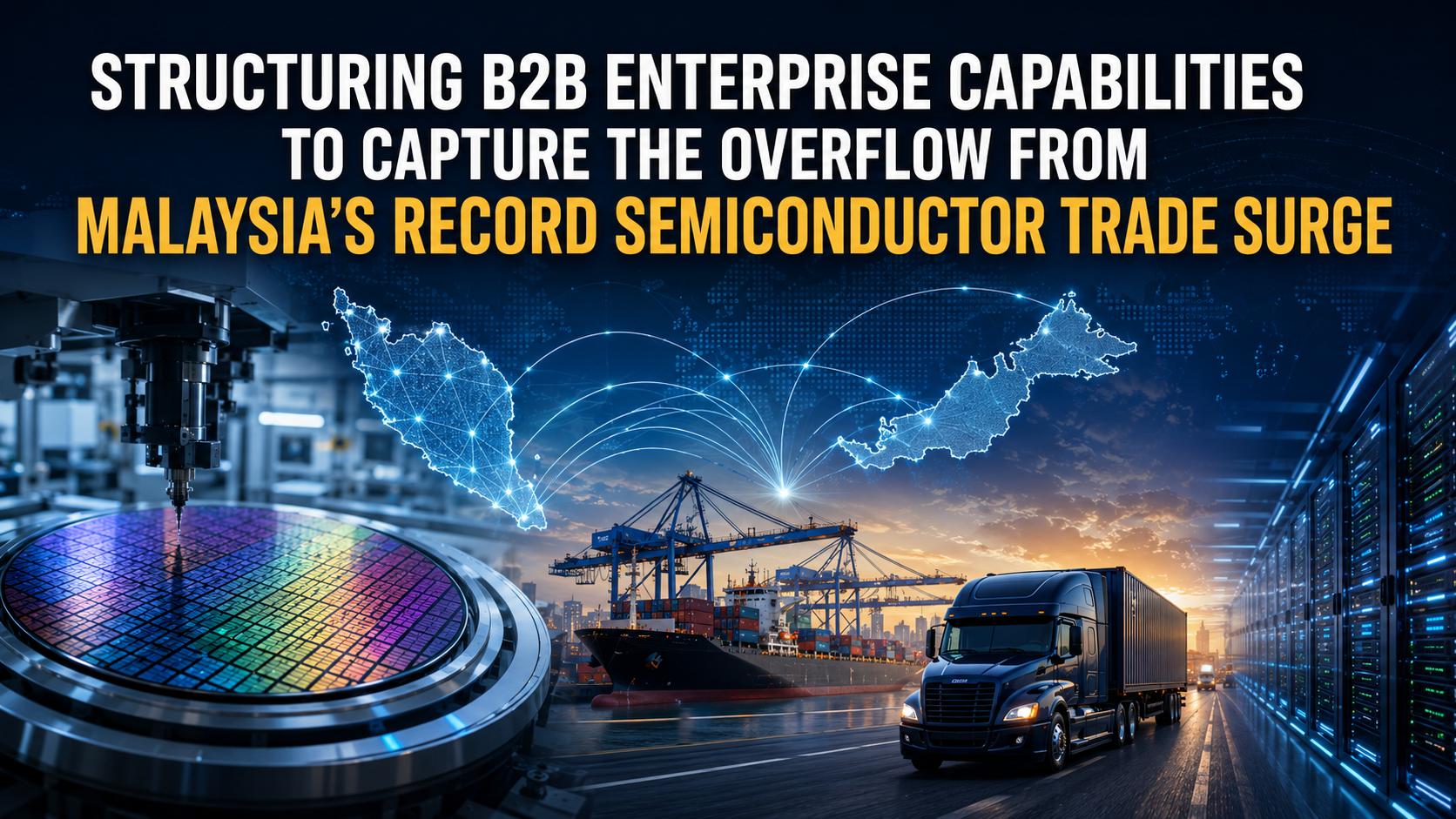
The Malaysia External Trade Development Corporation just released a historic trade report showing the country’s trade surplus hitting a record RM132.77 billion over a five-month window. This massive surge is anchored by an extraordinary 61.6% jump in semiconductor exports specifically tailored to feed global artificial intelligence infrastructure. Combined with projections from the Malaysia Semiconductor Industry Association that electrical and electronics exports could break the RM800 billion barrier, the country is officially cementing its role as an indispensable tech hub.
While tech fabrication plants and multinational assemblies in Penang, Kulim, and Johor are directly capturing this capital, most traditional corporate leaders view this boom from the sidelines. There is a common misconception that if your enterprise does not produce microchips, code machine learning software, or build liquid-cooled server racks, you cannot participate in this economic super-cycle.
This is a major strategic blind spot. The sheer scale of the semiconductor and data infrastructure expansion generates massive, multi-billion-ringgit demand across secondary and tertiary industries. For non-tech business-to-business (B2B) executives, the goal is not to invent cutting-edge technology, but to structurally reposition your existing business lines to serve the rapidly expanding tech ecosystem.
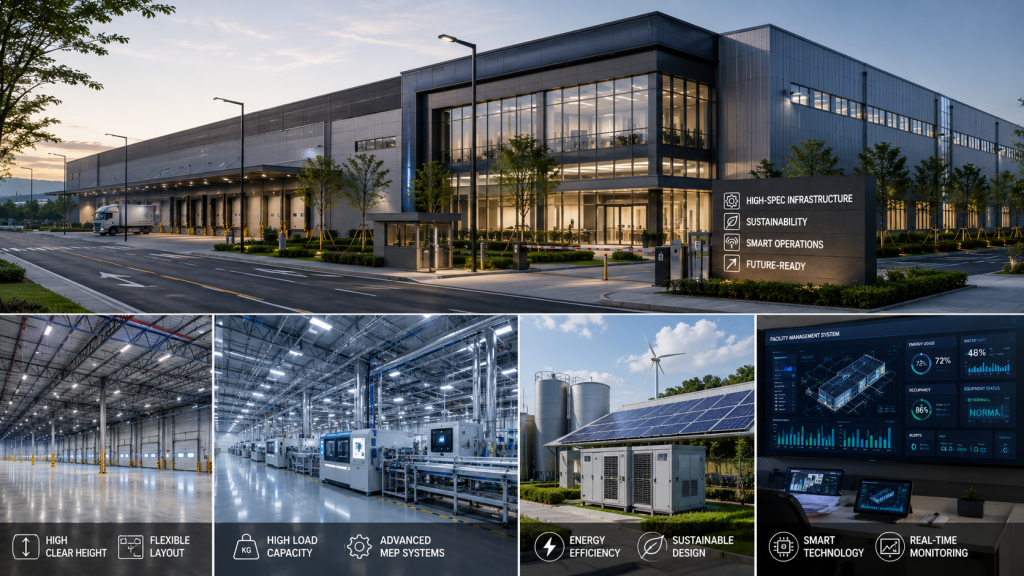
Re-Engineering Industrial Real Estate for High-Specification Facilities
The most immediate operational opportunity lives within the built environment. Advanced semiconductor packaging facilities and AI-enabling data infrastructure have highly sensitive, non-negotiable physical requirements. They cannot operate in standard, low-cost industrial warehouses.
This opens a lucrative window for industrial property developers, construction groups, and facilities management firms to pivot toward high-specification infrastructure. These advanced operations require precision cleanrooms with strict particulate control, massive uninterrupted power supply redundancies, vibration-dampening architectural foundations, and industrial-grade water cooling systems.
By upgrading your existing construction pipelines or retrofitting legacy industrial spaces to meet these specialized technical standards, real estate and engineering firms can command premium lease rates and secure long-term, inflation-indexed institutional contracts with multi-national buyers.
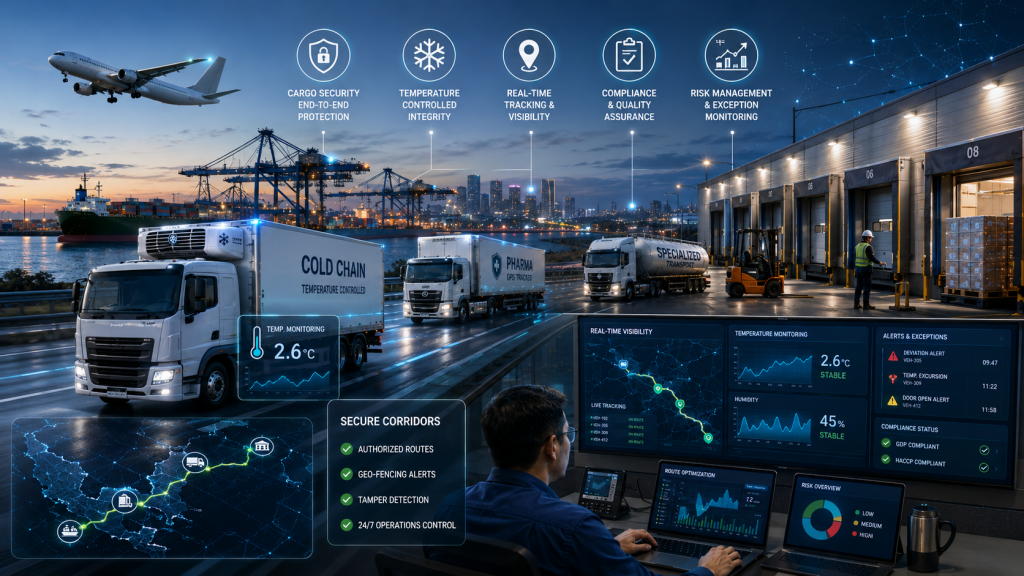
Securing the High-Value Cold Chain and Specialized Transport Corridors
Microchips and raw silicon wafers are hyper-fragile, high-value assets. Moving them across international borders requires specialized logistics. A standard shipping, freight, or trucking framework cannot handle the climate-controlled, secure transport these components demand.
Local logistics, freight forwarding, and supply chain management firms can capture high margins by investing heavily in specialized cargo capabilities. This includes climate-controlled shipping setups that guarantee exact temperature and humidity parameters to prevent component degradation during transit.
It involves end-to-end IoT tracking platforms that provide multi-national clients with real-time transit data and predictive risk alerts. Finally, it requires specialized, high-security bonded transport to safely move high-value electronics shipments between manufacturing corridors and international airports without customs delays.

Providing Premium Compliance, Risk Management, and Corporate Services
As multi-national tech hardware giants pour capital into Malaysia, they face a wall of regulatory, geopolitical, and environmental compliance requirements. They require deep, localized expertise to safely manage their operational risks.
This represents a massive growth channel for local professional service firms, including corporate law practices, accounting networks, and specialized business consultancies. Local service providers should expand their offerings to target these specific enterprise vulnerabilities.
Enterprise technology operations consume massive volumes of water and electricity. Professional firms that can guide these corporations through local environmental compliance, carbon accounting under the National Sustainability Reporting Framework, and local green energy tax incentives will become indispensable partners to inbound multi-national firms.