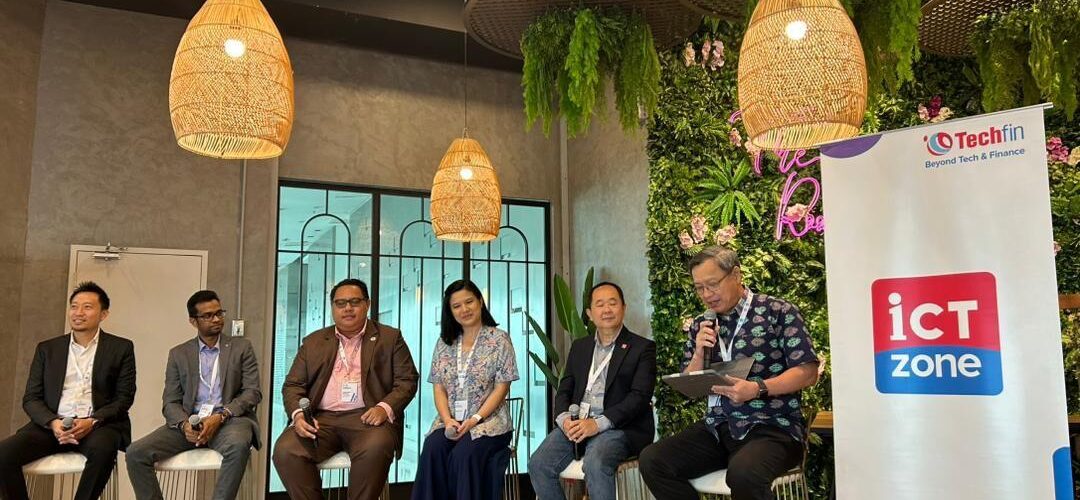
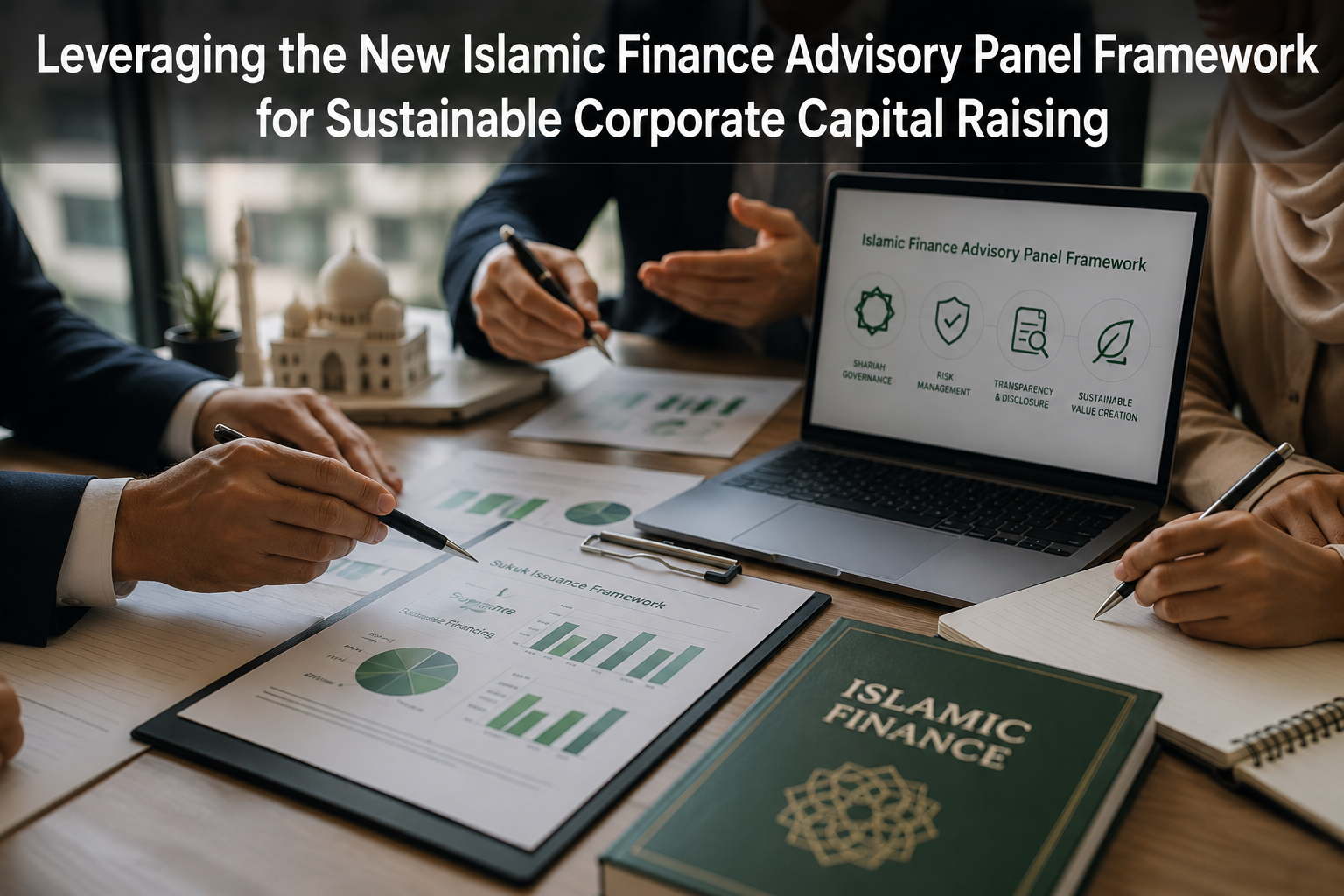
Bank Negara Malaysia and the Securities Commission Malaysia have officially convened the inaugural meeting of the Malaysia International Islamic Financial Centre Advisory Panel, known as MAP. Co-chaired by the central bank Governor and the Securities Commission Chairman, this newly established framework integrates the Ministry of Finance, the Ministry of Investment, Trade and Industry, and top sovereign funds like Khazanah and the Employees Provident Fund. The platform marks a formal transition toward industry-led stewardship via the MIFC Business Network, aiming to connect domestic enterprises directly with international pools of liquidity.
For corporate chief executives, managing directors, and growing enterprise founders, the activation of this high-level panel completely reshapes the corporate treasury landscape. Accessing expansion capital through standard traditional banking lines is becoming cost-prohibitive due to fluctuating global interest rates and rigid domestic credit metrics.
The immediate corporate opportunity lies in utilizing this newly streamlined architecture to raise non-traditional, asset-backed capital. By aligning corporate funding requirements with the panel’s core focus on international participation and Shariah-compliant sustainability frameworks, local firms can unlock alternative pools of sticky institutional liquidity. To successfully navigate this gateway, enterprise boards must shift their financial strategies away from legacy debt models and toward structured, sustainable Islamic capital solutions.

Issuing Project-Specific Sukuk to Unlock Non-Traditional Liquidity Channels
The primary limitation of traditional corporate borrowing is the reliance on extensive corporate guarantees and restrictive operational covenants that can heavily restrict business agility. As domestic commercial banks face tighter capital reserve requirements, funding major industrial or infrastructure projects entirely through traditional loans creates unnecessary balance sheet stress.
Corporate boards can circumvent these traditional banking bottlenecks by issuing project-specific Sukuk. Unlike a traditional corporate bond, which represents an absolute debt liability, a Sukuk structure grants investors direct fractional ownership of an underlying, revenue-generating corporate asset.
This structural design allows an enterprise to raise substantial market capital based entirely on the verified economic strength of its infrastructure projects—such as localized logistics networks, manufacturing expansion plants, or green energy setups—without adding direct debt liabilities to the parent company. By leveraging this framework, companies can tap into deep, legally mandated Shariah-compliant capital reserves held by local and regional asset management funds, securing longer repayment maturities and highly favorable financing terms.

Capitalizing on Reduced Borrowing Costs Through Sustainable Sukuk Frameworks
The global investment community is aggressively moving away from enterprises that lack clear, verifiable sustainability benchmarks. Under Malaysia’s National Sustainability Reporting Framework, large-scale multinational corporations and institutional funds are now mandated to audit environmental data across their entire corporate value chain.
The newly convened advisory panel is placing a heavy strategic priority on combining traditional Islamic finance principles with modern environmental, social, and governance (ESG) metrics. This creates an exclusive funding channel for local firms that actively document their green transitions.
By packaging corporate fundraising efforts under the Sustainable and Responsible Investment Sukuk framework, local businesses can access low-interest capital. Financial institutions and sovereign wealth funds are offering reduced borrowing spreads to firms utilizing capital for energy-efficient retrofits, carbon footprint reduction software, or sustainable supply chain infrastructure, effectively converting regulatory compliance into a direct financial advantage.

Accessing Alternative Shariah Private Credit Channels for Regional Expansion
For fast-growing, mid-market companies, funding the gap between venture capital and a public listing on Bursa Malaysia is an ongoing corporate challenge. Investment banking groups regularly prioritize multi-billion ringgit conglomerates, leaving mid-market operators with limited options to fund regional expansion without heavily diluting equity.
The new advisory framework is moving quickly to accelerate the domestic private credit and Shariah-compliant venture capital ecosystem. This allows mid-tier companies to negotiate directly with specialized private credit funds to secure highly customized, flexible capital structures.
These private credit vehicles can be structured with variable repayment timelines that match the actual cash-flow realization of a business, rather than forcing immediate monthly interest payments during the early stages of a project rollout. This provides growing corporate champions with the necessary financial runway to execute cross-border acquisitions or install advanced automation systems without triggering short-term operational cash strain.